


Collection / ARTIST
Władysław Strzemiński
1893 – 1952 A Polish art theoretician, painter, designer and pioneer of the Constructivist avant-garde of the 1920s and 1930s. Creator of the theory of Unism, one of the most influential concepts in modern Polish art. Associated with the groups Blok, Praesens and a.r., he played a fundamental role in the development of the European avant-garde and in establishing the International Collection of Modern Art at the Museum of Art in Łódź. A co-founder of the State Higher School of Visual Arts in Łódź and designer of the iconic Neoplastic Room at the Museum of Art in Łódź (1948). His practice encompassed painting, typography, architecture, design and art theory, including the seminal publications Unism in Painting (1928), Functional Printing (1935) and Theory of Vision (published posthumously in 1958). During World War I he was severely wounded, losing an arm and a leg. In the post-war Stalinist period he was removed from teaching for refusing to conform to Socialist Realism.
Works in collection i.a.: Museum of Art in Łódź, National Museum in Warsaw, Kraków and Wrocław, Centre Pompidou in Paris, Museo Nacional Centro de Arte Reina Sofía in Madrid, Moderna Museet in Stockholm, Stedelijk Museum in Amsterdam and numerous public and private collections in Europe and the United States.
Selected exhibitions: Exhibition of New Art, Vilnius (1923); Machine Age Exhibition, New York (1927); exhibitions of the Blok, Praesens and a.r. groups (1920s–1930s); posthumous retrospective exhibitions in Łódź and Warsaw (1956–1957); Constructivism in Poland 1923–1936, Museum Folkwang, Essen and Rijksmuseum Kröller-Müller, Otterlo (1973); monographic exhibition, Museum of Art in Łódź (1993); numerous international exhibitions devoted to Constructivism, abstraction and the European avant-garde.
ARTISTS WORK IN CATALOGUE

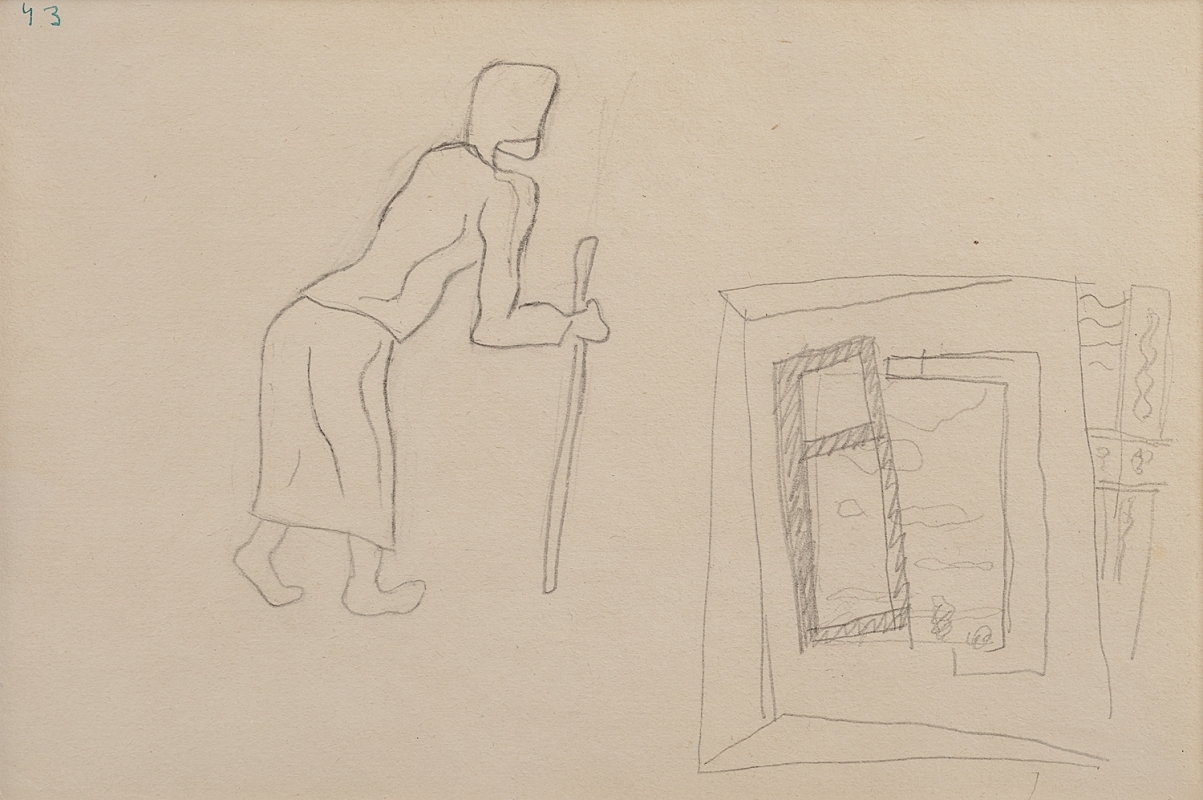
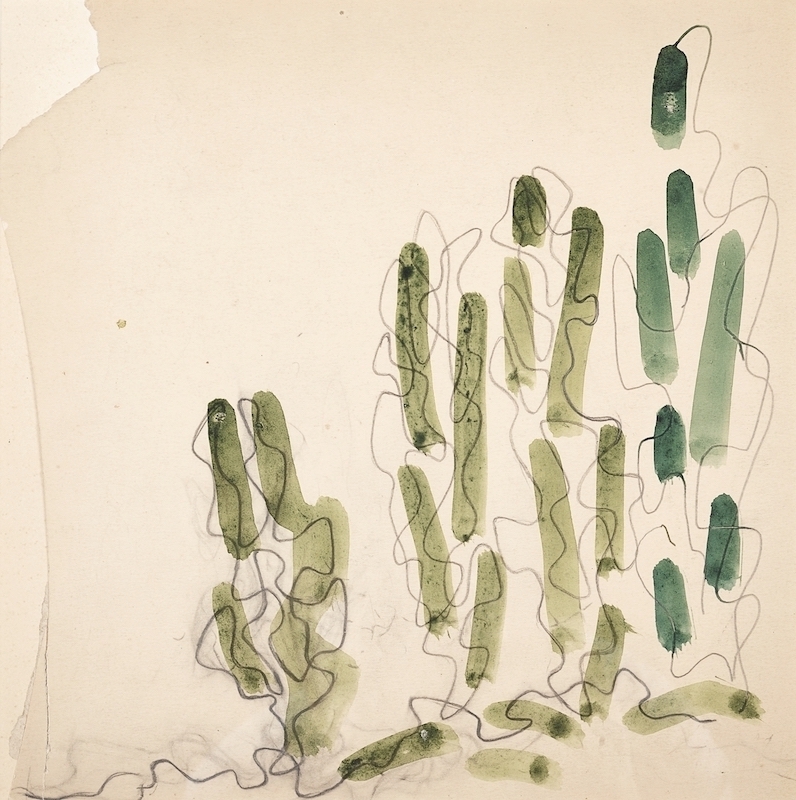
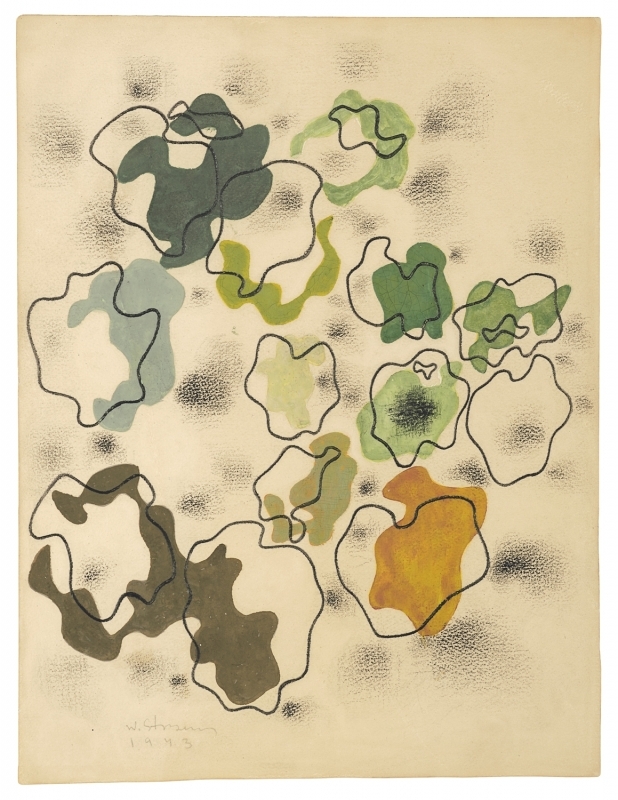

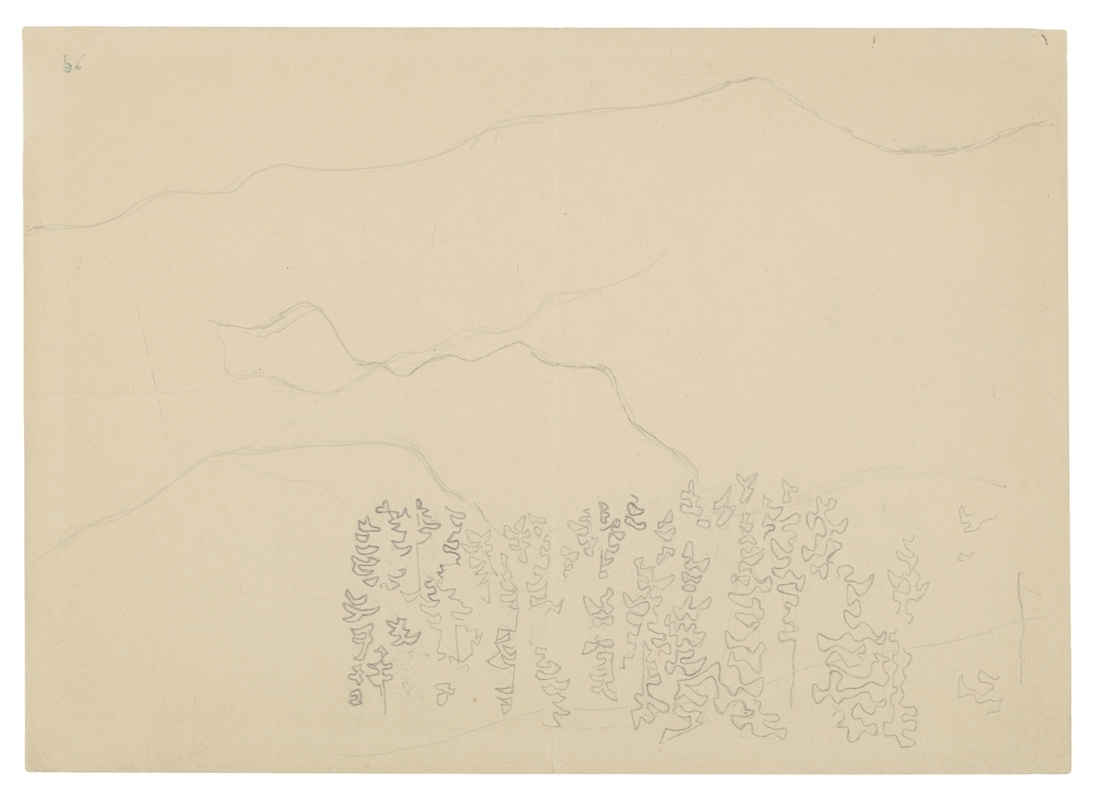
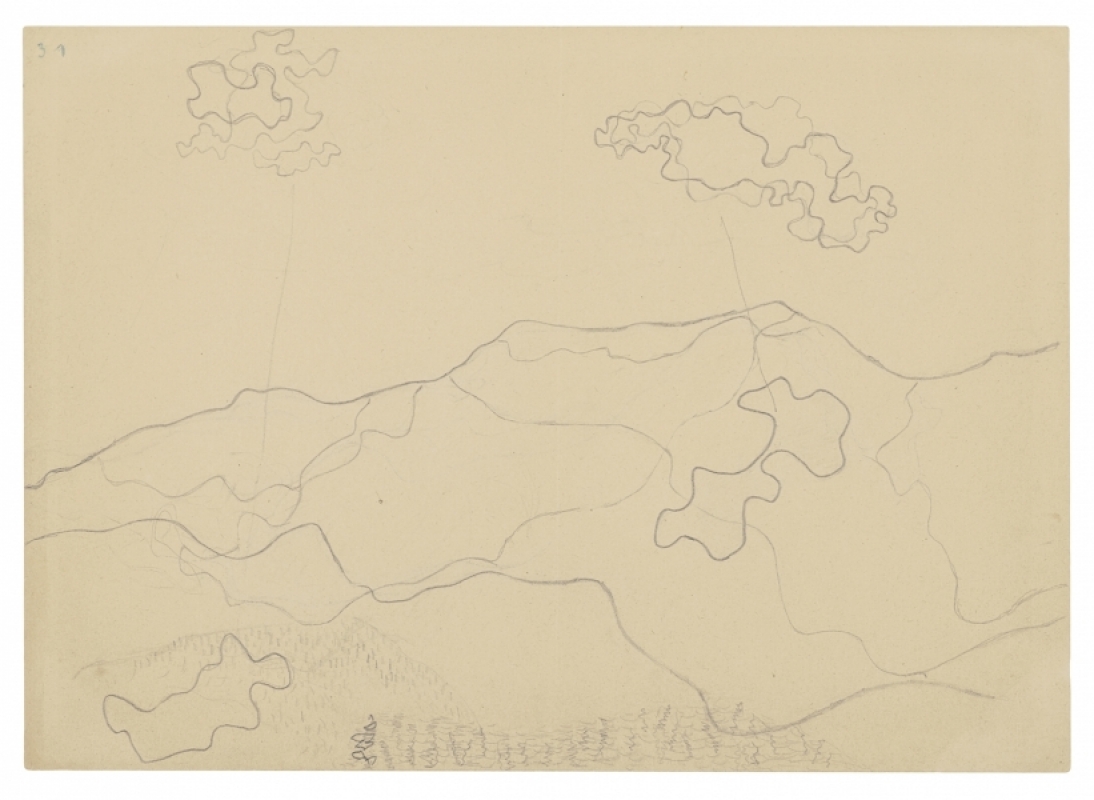
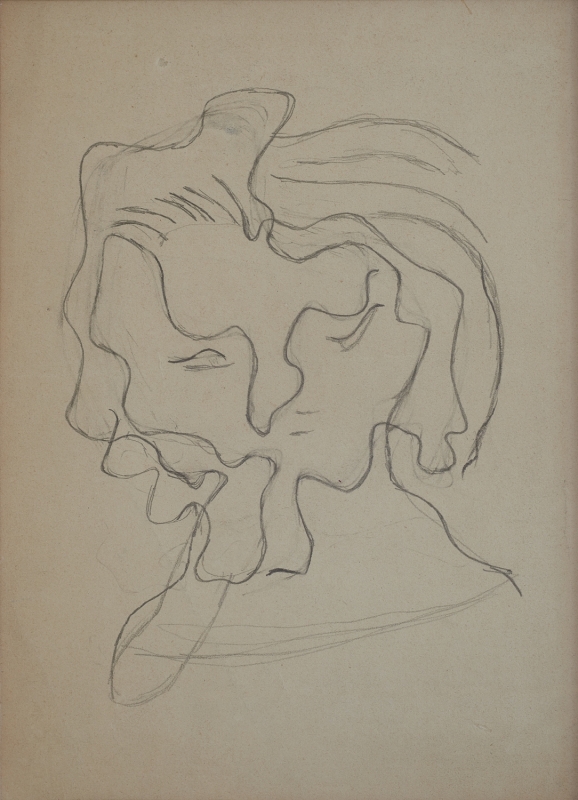
30.1 x 42.2 cm | pencil, paper

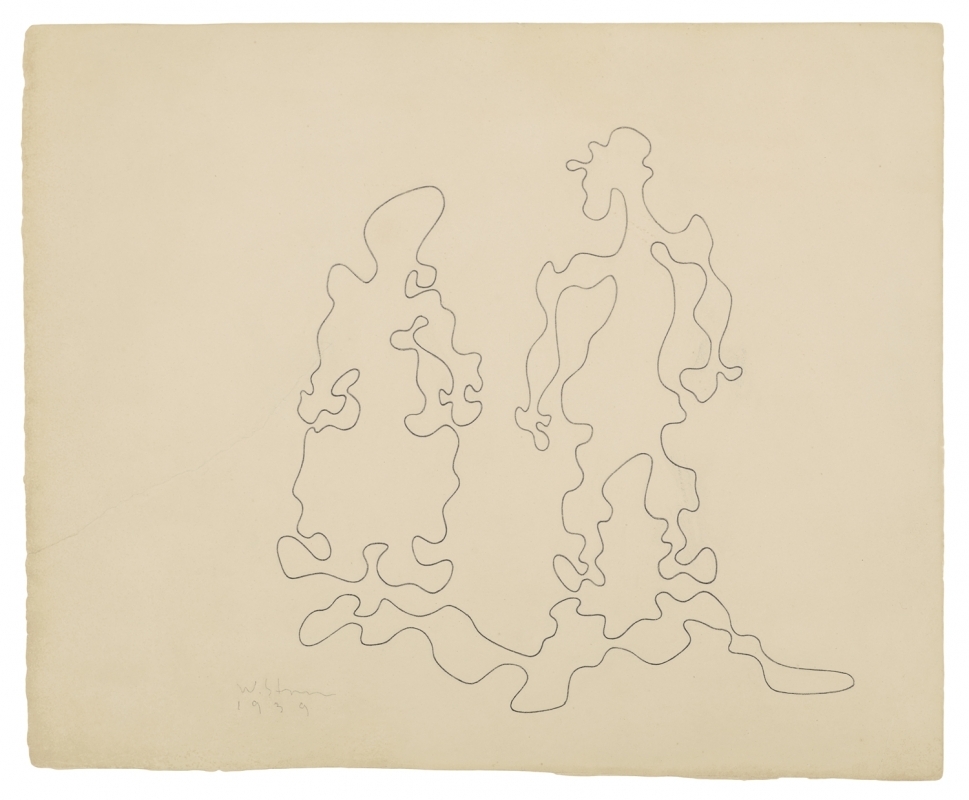
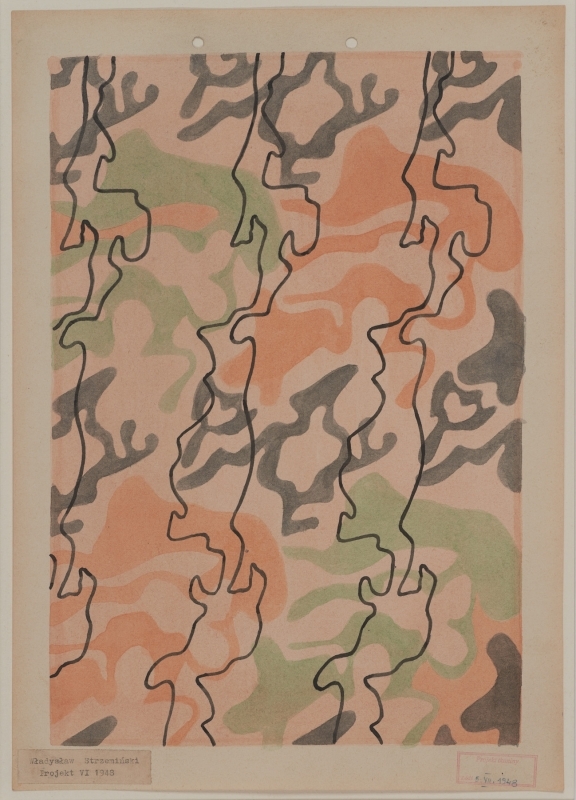


oil, canvas | 71 x 56 cm


