


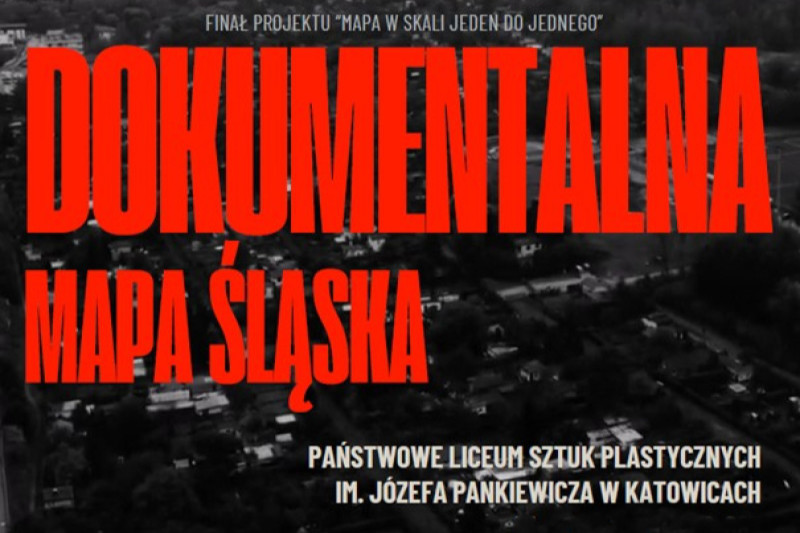
A Documentary Map of Silesia
The Józef Pankiewicz State High School of Fine Arts in Katowice
The aim of the project was to help students learn more about Silesia—the region where they come from—through the process of making a documentary film.
The project involved students creating their own documentary films—from the initial concept, through working with the subjects and filming, all the way to editing, sound design, and preparing promotional materials.
The students worked under the guidance of tutors—renowned film directors—gaining practical filmmaking experience and learning about the realities of creative work. The project concluded with a final screening of the films and posters in the PLSP auditorium in Katowice. Future plans are very ambitious. Soon, the students’ short films will be submitted to national film festivals!
Project activities began in September 2024. The lead teacher and project initiator, Dr. Michał Łukowicz, organized an in-school competition for documentary film projects at the Katowice art school. He selected the 7 most interesting proposals.
Dr Michał Łukowicz, through his previous work leading educational and artistic projects—which have won awards in the “Wena” Grant Program competitions—has established himself as a mentor and instructor who introduces young people to a wide range of educational and expert workshops at the academic level. This was also the case with the production of documentary films. At the turn of September and October 2024, theoretical and practical workshops were held with dr Michał Łukowicz.

In late September and early October 2024, theoretical and practical workshops were held with dr Michał Łukowicz, the project’s lead instructor.

As Łukowicz emphasized, the main topics discussed with the project team were an introduction to the ins and outs of documentary filmmaking and an attempt to answer the question: What is a documentary film?
In November 2024, preliminary work on the treatments began. The students began consulting with their instructor.
Then, in December 2024, the students participated in a workshop led by prof. Beata Dzianowicz, Ph.D., a film and theater director and screenwriter. Beata Dzianowicz graduated from the Department of Polish Philology in 1993 and the Krzysztof Kieślowski Department of Radio and Television in 1996, both at the University of Silesia. From 2000 to 2014, she worked as a film specialist at the Silesian Theater. Since 2014, she has been an assistant professor in the Department of Directing at the Faculty of Radio and Television. Since 2011, she has directed graduation performances for the Vocal and Acting Department of the Academy of Music in Katowice. She collaborates with the Jazz Department there. Her plays have been staged in theaters and on television, and one of them was adapted into a radio play. She is the author of eight documentary films and two cultural journalism series (“Znaki” and “Słowa i znaki”). She co-led film workshops in Kabul (2006) and workshops for Belarusian opposition filmmakers as part of 15 minutes: Belarus (2012). In her literary studies publications, she focuses primarily on contemporary Polish literature, though she has also devoted several essays to the Romantic era. She is the co-author (with Krzysztof Kopczyński) of an e-textbook on the development of documentary projects. Winner of 12 film awards and honors, including the Grand Prix at the 61st Locarno International Film Festival (Le Prix SRG SSR idée Suisse/Semaine de la Critique, 2008) for the film “Kites.” Director of the award-winning film “Strzępy” (2022).

In December 2024, the students participated in a workshop led by prof. Beata Dzianowicz, Ph.D., a film and theater director and screenwriter from the University of Silesia.
Prof. Beata Dzianowicz posed three questions to the high school students, which served as an introduction to a serious discussion about documentary film and became a source of inspiration.
Who is the “protagonist” of a documentary film?
What kind of language can a director use?
How can one work ethically with “real life on film”?
The next workshop for young people, held in December 2024, was led by:
Grzegorz Paprzycki, a director and screenwriter, as well as a director of photography on documentary projects. His film *My Beautiful Country* made it onto the American Film Academy’s “Oscar longlist,” qualifying it for an Oscar nomination. Winner of over thirty awards and honors at domestic and international film festivals. Named among the “ten film revelations of 2019” by the Culture.pl portal
Katarzyna Warzecha, a graduate of the directing program at the Krzysztof Kieślowski Film School in Katowice and the Wajda School. Her graduation film, “Jest naprawdę ekstra,” was screened at numerous international festivals, winning a number of awards. As an assistant director, she has worked with, among others, Filip Bajon and Marcin Wrona.
Tomasz Jurkiewicz, director, screenwriter. Born in 1981. A graduate of the directing program at the Krzysztof Kieślowski Film School at the University of Silesia in Katowice and the Wajda School. Author of short films and documentaries that have won over a hundred awards at numerous Polish (Kraków, Gdynia, Koszalin) and international (Karlovy Vary, Seoul) film festivals.

Workshop with Tomasz Jurkiewicz
Jakub Radej, director and screenwriter of short fiction films, documentaries, television programs, and music videos. A graduate of the Krzysztof Kieślowski Film School at the University of Silesia in Katowice and the Wajda School. Winner of dozens of awards at Polish and international festivals, including Best Documentary at Clermont-Ferrand 2018 and Best Documentary and Best Fiction Film at the Koszalin Debut Festival “Młodzi i Film” in 2017 and 2018. He believes that films can serve as an invitation to dialogue and reflection, not just entertainment.
All the distinguished filmmakers—Grzegorz Paprzycki, Katarzyna Warzecha, Tomasz Jurkiewicz, and Jakub Radej—openly and freely invited the young people to engage in artistic dialogue. The students talked about themselves, shared their ideas, and consulted with the masters on their documentary projects. The directors reviewed the high school students’ competition entries, shared their perspectives on documentary films with the students, and presented their own works.

Online workshops with tutors
December 2024 was a very busy month for both the students and the project staff. A series of excellent workshops concluded with a review of production strategies and the assignment of tutors to the students.
TUTOR: Katarzyna Warzecha
STUDENTS: Micha Kupczak (3b), Michalina Kucharska (3b)
TUTOR: Grzegorz Paprzycki
STUDENTS: Antonina Zygmunt (3b), Zuzanna Radzimska (2a);
TUTOR: Jakub Radej
STUDENTS: Mateusz (Kinga) Szczęśniak (4b), Dawid Krawczyk (5b)
TUTOR: Tomasz Jurkiewicz
STUDENT: Vladyslava Hrabova (2a)
In January 2025, the first individual meetings with tutors took place, along with consultations on initial screenplay concepts. A lecture by Tomasz Jurkiewicz was held, followed by a screening of the documentary film *Więzi* (2016).
Between January and February 2025, the students worked on conceptualizing their film ideas. In March and April 2025, they began meeting with the subjects of their films, creating so-called documentation, and discussing it with their tutors. Audio recording equipment was purchased, and the students received technical training.
The production period was moved to the 2025 summer break, during which students regularly borrowed the purchased equipment from the school, stayed in touch with their tutor and lead teacher, and analyzed and re-edited their films.
September and October 2025 marked the post-production period. The students edited and added sound to their films. In November, they created posters for them. The materials were printed and prepared for the project’s finale.
CONCEPTUAL PHASE
From January 10 to February 28, 2025, work was carried out on conceptualizing film ideas, themes, and form, as well as developing narrative and production guidelines.
On January 22, 2025, another online meeting was held with the mentors, during which ideas were discussed and artistic directions were selected.
On February 5, 2025, Vladyslava Hrabová worked individually with her tutor and director Tomasz Jurkiewicz at the PLSP in Katowice
DOCUMENTATION AND WORK WITH THE SUBJECTS
From March to June 2025, the students conducted research, met with the film subjects, created video documentation, and gathered research materials.
It was time for another round of consultations with the tutors.
On March 18, 2025, Michał Kupczak and Michalina Kucharska held an online meeting with Katarzyna Warzecha to discuss the documentation and potential editing structure.
On April 9, 2025, an online meeting took place between Antonina Zygmunt and Zuzanna Radzimska with Grzegorz Paprzycki, with a particular focus on consultations regarding visual language and cinematographic style.
On June 6, 2025, Vladyslava Hrabova and Tomasz Jurkiewicz met in person at the PSLP in Katowice to discuss the documentation and the projects’ readiness for production.
TECHNOLOGY
In June 2025, audio recording equipment was purchased.
The 2025 summer schedule for students was filled with documentary production, filming and sound recording, regular equipment rentals, ongoing consultations with tutors and the lead instructor, preliminary rough cuts, and analysis of the footage.
On August 27, 2025, Vladyslava Hrabova and Tomasz Jurkiewicz met in person at the PSLP in Katowice to discuss the completed material.
On August 12, 2025, Michał Kupczak and Michalina Kucharska met online with Katarzyna Warzecha to consult on the editing of the production footage.
On August 26, 2025, students Antonina Zygmunt and Zuzanna Radzimska participated in an online meeting with Grzegorz Paprzycki, during which they analyzed the photographs taken and their visual coherence.
POST-PRODUCTION
From September 1 to October 31, 2025, we can now discuss film post-production, final editing of documentaries, sound recording and sound mixing, as well as narrative and structural revisions.
On September 10, 2025, during an online meeting between Antonina Zygmunt and Zuzanna Radzimska with Grzegorz Paprzycki, the authors discussed visual corrections with the director following the latest edit.
September 24, 2025 – online meeting between Michał Kupczak and Michalina Kucharska with Katarzyna Warzecha – editing consultations on production footage.
October 8–20, 2025—a series of editing meetings between Vlada Hrabova and Dr. Michał Łukowicz
October 22, 2025—online meetings with tutors to approve the final versions of the films
PROMOTIONAL MATERIALS
November 1-20, 2025 - designing movie posters, graphic consultations, poster printing, preparation of materials for the project finale.
The project finale took place on November 25, 2025, in the school auditorium of PLSP in Katowice.
The project "Documentary Map of Silesia" concluded its final presentations in the 6th edition of the WENA Grant Program Competition. Students from Katowice responded to the competition's theme through the medium of film. The young creators focused on mapping their immediate surroundings, ambitiously choosing the documentary genre beyond the school curriculum. To meet this challenge, they were guided using the tutoring method by experts in the genre, screenwriters, and directors: Prof. Barbara Dzianowicz, Dr. Michał Łukowicz, Katarzyna Warzecha, Tomasz Jurkiewicz, and Jakub Radej.

The project team together with the staff and Wiesława Giedrojć from the Starak Family Foundation during the presentation of the students' original documentary forms at the State Secondary School of Fine Arts in Katowice.


Wiesława Giedrojć, Member of the Management Board of the Starak Family Foundation, and Joanna Nowrot, director of PLSP in Katowice, at a screening of documentary films created as part of the project titled "Documentary Map of Silesia".
We congratulate the participants of the project: Michał Kupczak, Michalina Kucharska, Mateusz Szczęśniak, Vladyslava Hrabova, Dawid Krawczyk, Antonina Zygmunt, and Zuzanna Radzimska on their first film productions. In conversations with the students, we heard that the project deepened their interest in film art. We wish them success on their further journey!
Michał Kupczak presents several perspectives on the reception of contemporary reality. The author experiments with form and film techniques—remaining within the realm of documentary cinema.
Dawid Krawczyk made a documentary film about a Silesian 'indianer.' It is not only a story about great passion but also a portrait of modern Silesia.
Mateusz Szczęśniak brought closer the tradition of Silesian pysanky-style eggs. By portraying one of the participants in the annual competition, he preserves in film form a peculiar artistic craftsmanship.

Michalina Kucharska, in a poetic documentary film form, portrays the poet who inspires her - Stanisław Spinka.
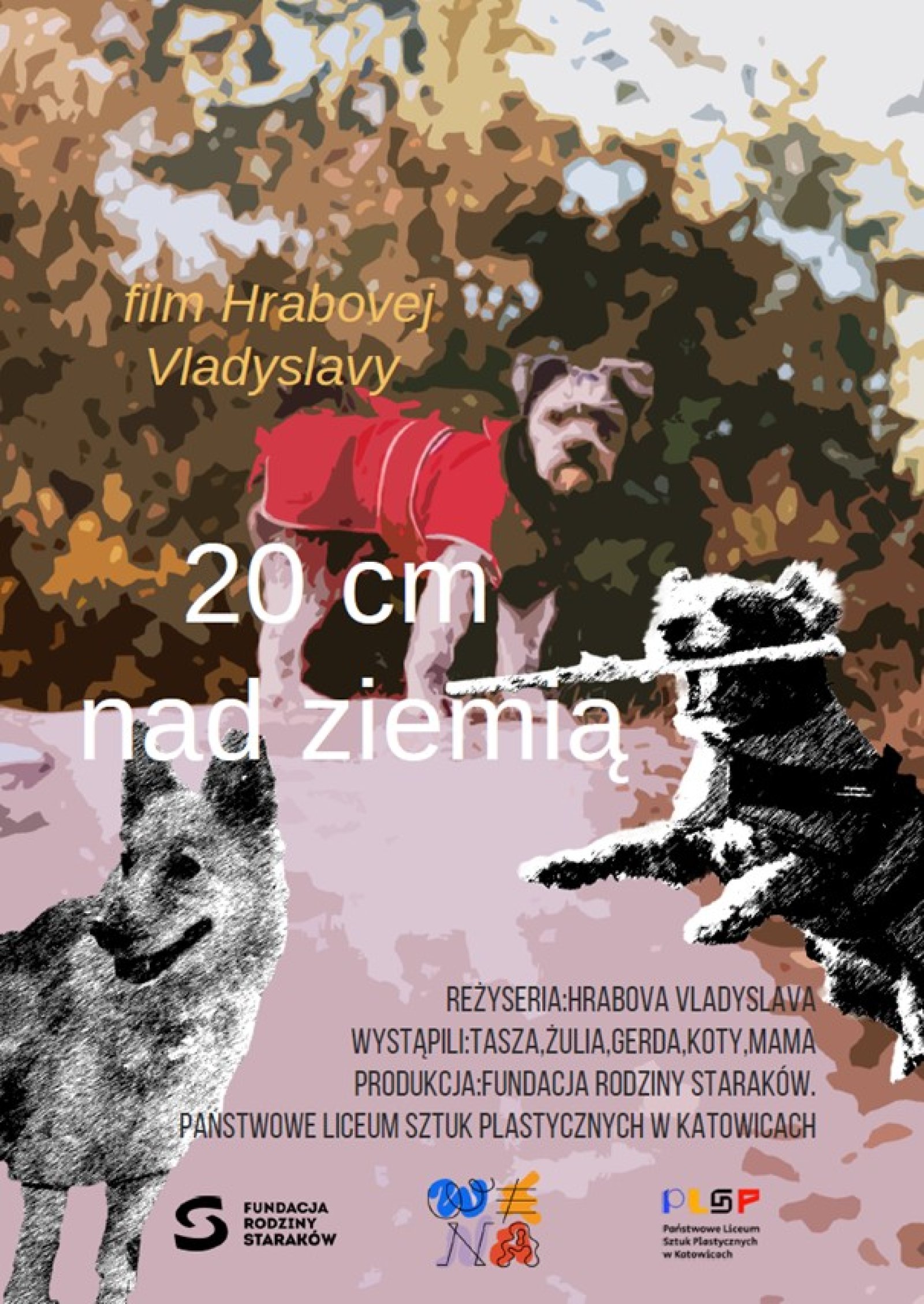
Vladyslava Hrabová w swoim filmie przedstawia historię podróży Taszy - swojego psa z rodzinnego ukraińskiego domu do Katowic.

Zuzanna Radzimska presents her relationship with a friend, whom she met years ago at art school, in a film format. The girls do not live in the same city today, but they try to maintain as close contact as possible.
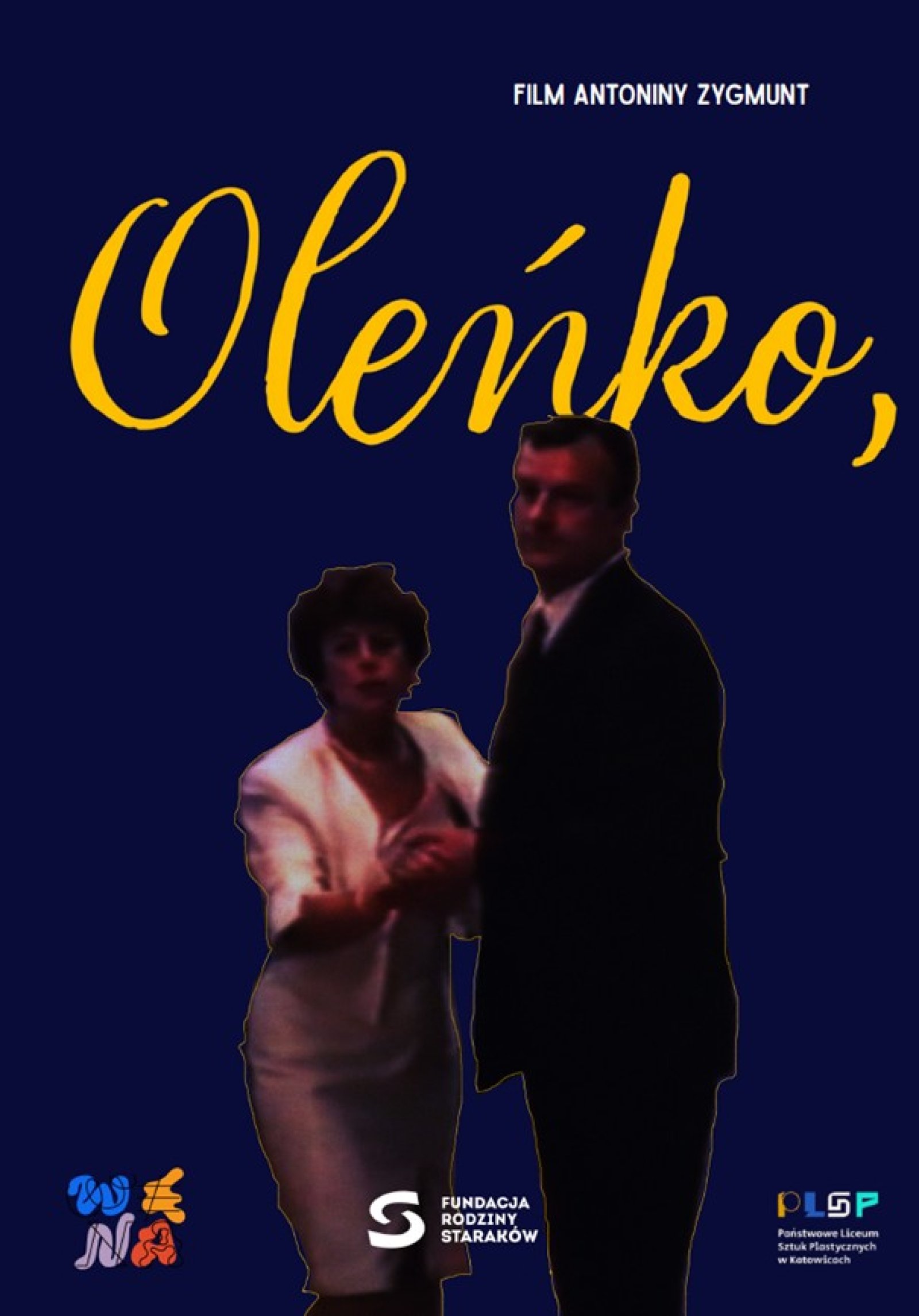
Antonina Zygmunt weaves a story about her grandfather, showing the relationships of the closest family. It is a warm, moving story about memory, loss, and love.
We asked the project participants whether there were any changes in the planned activities.
Yes, we anticipated changes and potential implementation problems from the very beginning of the project after discussions with Prof. Beata Dzianowicz. A documentary film is a very unpredictable matter. When shooting this type of film, one must take into account not only the artist's capabilities but also those of the subject. Often, schedules simply did not align, so the production period in some cases was extended - explains dr Michał Łukowicz, supervising teacher.
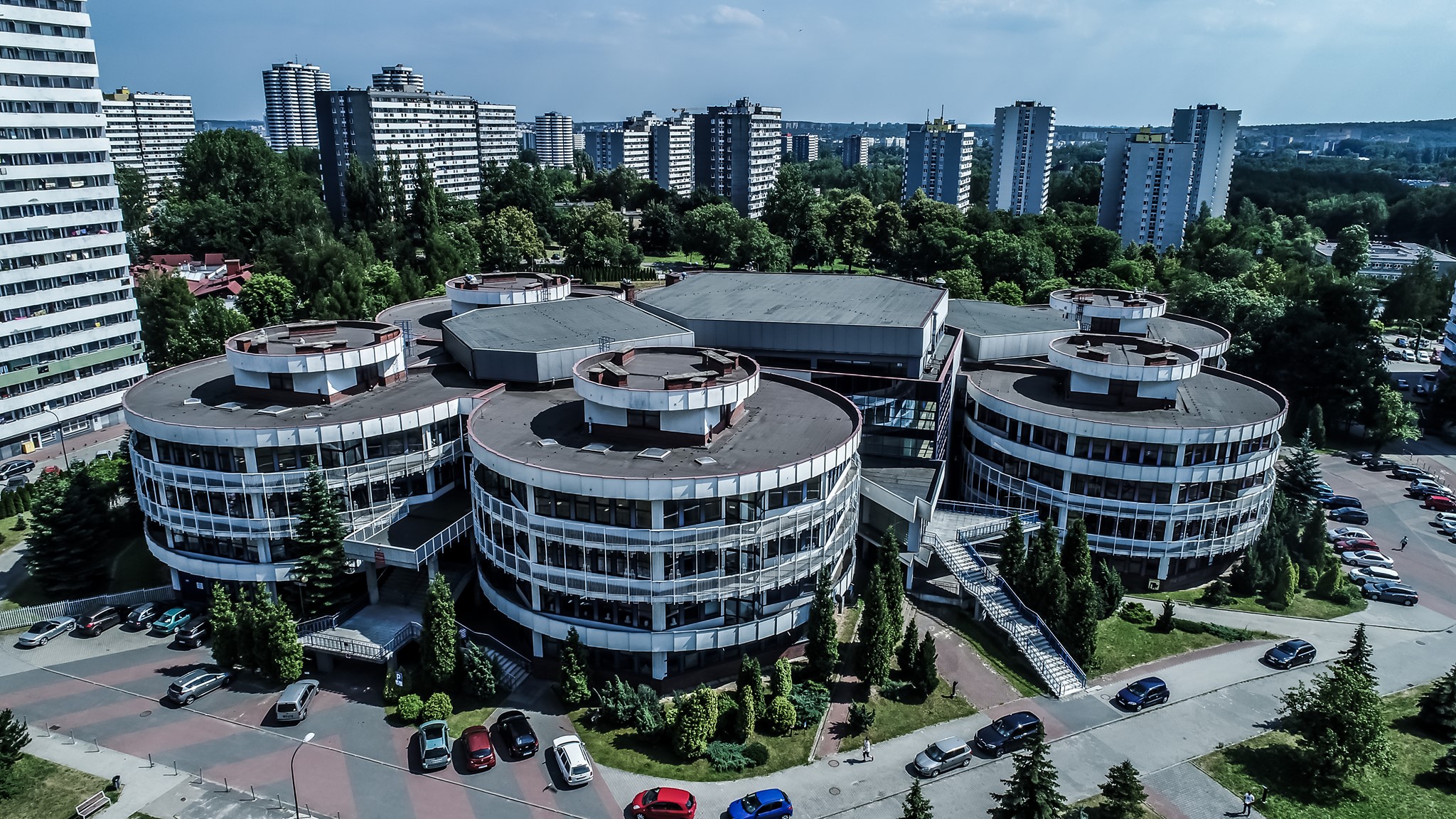
PLSP headquarters in Katowice
COMPLIANCE WITH THE THEME OF THE COMPETITION: "Map at a one-to-one scale"
Mapping the immediate surroundings using the film medium.
FINAL RESULT
Production of a series of short documentary films about Silesia, with the aim of presenting the films at film festivals. Public screening of the films with the participation of the creators.
As a result of the project's implementation, several short, original documentary films were created by students – from the concept stage through documentation, production, and post-production, to preparing promotional materials. Each film constitutes an independent, complete work of art, and the students had the opportunity to work in direct contact with professionals and to learn about the realities of the film industry.
Students developed skills in project work and planning, teamwork, responsibility for individual stages of work, communication with film characters, analysis and selection of material, critical thinking and creative independence; they learned how to operate film and audio equipment, got acquainted with the standards of professional editing and sound design, and experienced real work in the artistic process "from idea to premiere." As part of the project, the following were organized: numerous workshop and consultation meetings, technical training on sound and on-set work, regular artistic and production tutoring, and a final event with a film presentation and poster exhibition - summarizes dr Michał Łukowicz.
PROJECT DURABILITY
The project team plans further activities in January and February 2026, such as preparing films for festival submission, promoting films on the school's website and social media.
LEADING TEACHER
dr Michał Łukowicz, lawyer, Polish philologist, Doctor of Humanities in the discipline of literary studies at the University of Silesia in Katowice. At PLSP in Katowice, he teaches Polish language and philosophy, and also runs a theater club. Since 2022, he has been a directing student at the K. Kieślowski Film School at the University of Silesia in Katowice. In 2021, together with a group of students, he received the Gold Grant in the "Education Designers" program for the literary card game project "Rajer" www.rajer.pl; in 2021, he carried out a project entitled "One view, different perspectives", awarded in the 3rd edition of the "Wena" Grant Program Competition entitled "The World from My Window", and in the 2023/2024 school year, he is implementing a project entitled "THOUGHT-FORM-MOVEMENT", awarded in the 5th edition of the "Wena" Grant Program Competition entitled "What's Going On in Art?" The project finale will take place in September 2024.


