


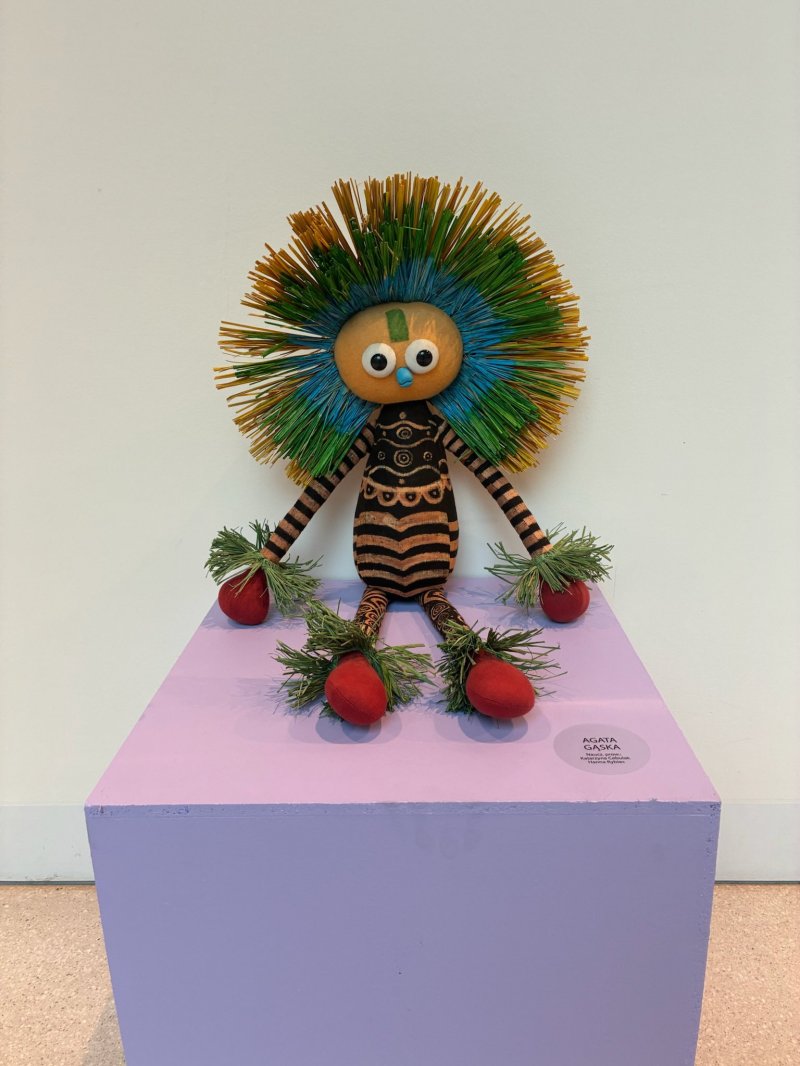
Artistic Soft Toy
The history of toys created at the State Secondary School of Fine Arts in Nałęczów dates back over 120 years and is closely tied to the region’s rich tradition of toy-making. The school in Nałęczów has become a center where traditional craftsmanship blends with artistic expression, producing toys prized for their quality and “soul.” We invite you to the exhibition and a chance to experience the heritage of Nałęczów toys.
In December 2025 and January 2026, we presented a special exhibition of one-of-a-kind soft toys and paintings by students, alumni, and teachers of the Józef Chełmoński State High School of Fine Arts in Nałęczów.
The pieces were created in the fabric toy design studio—the only such specialization among art high schools in the country.
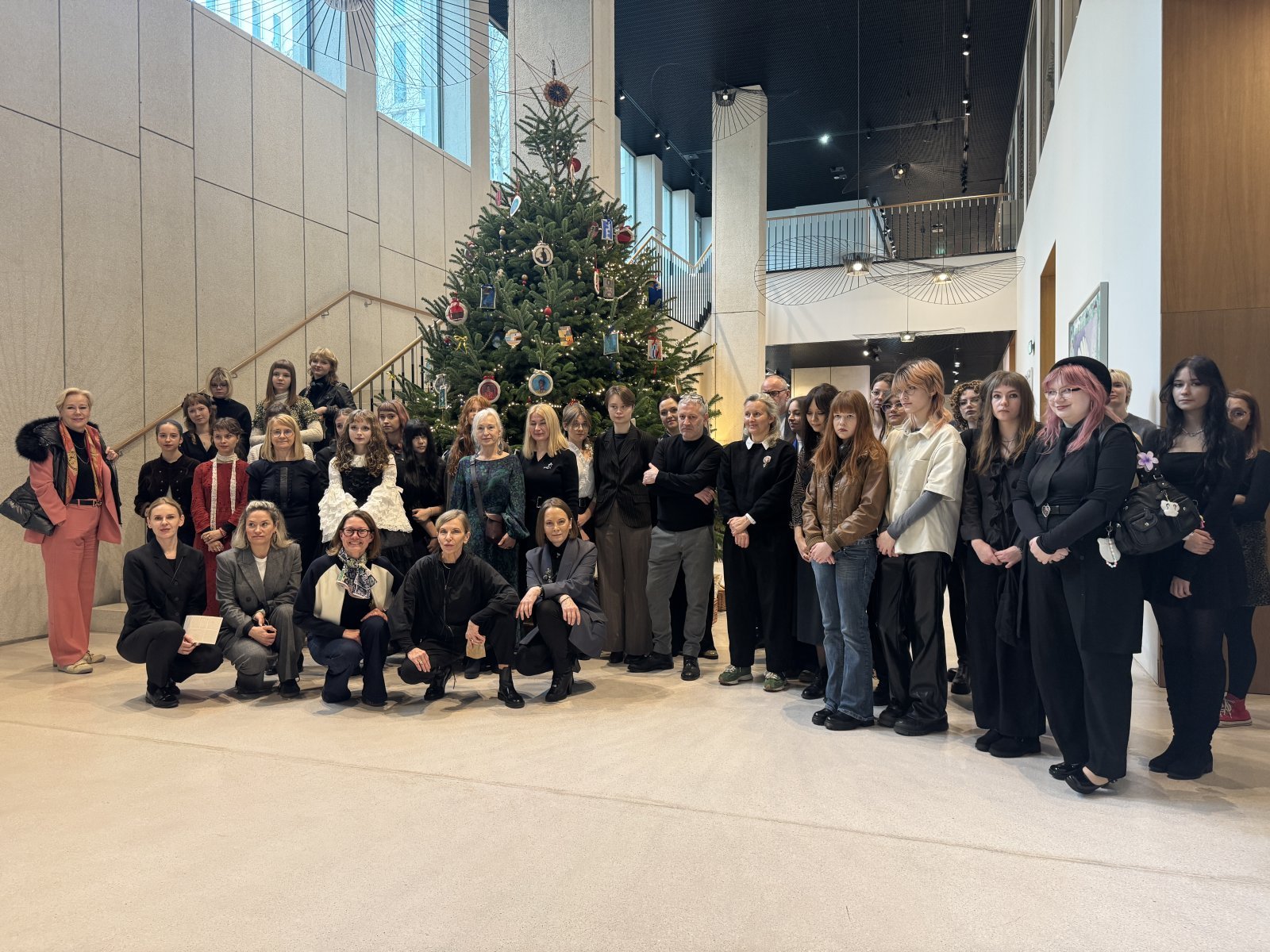
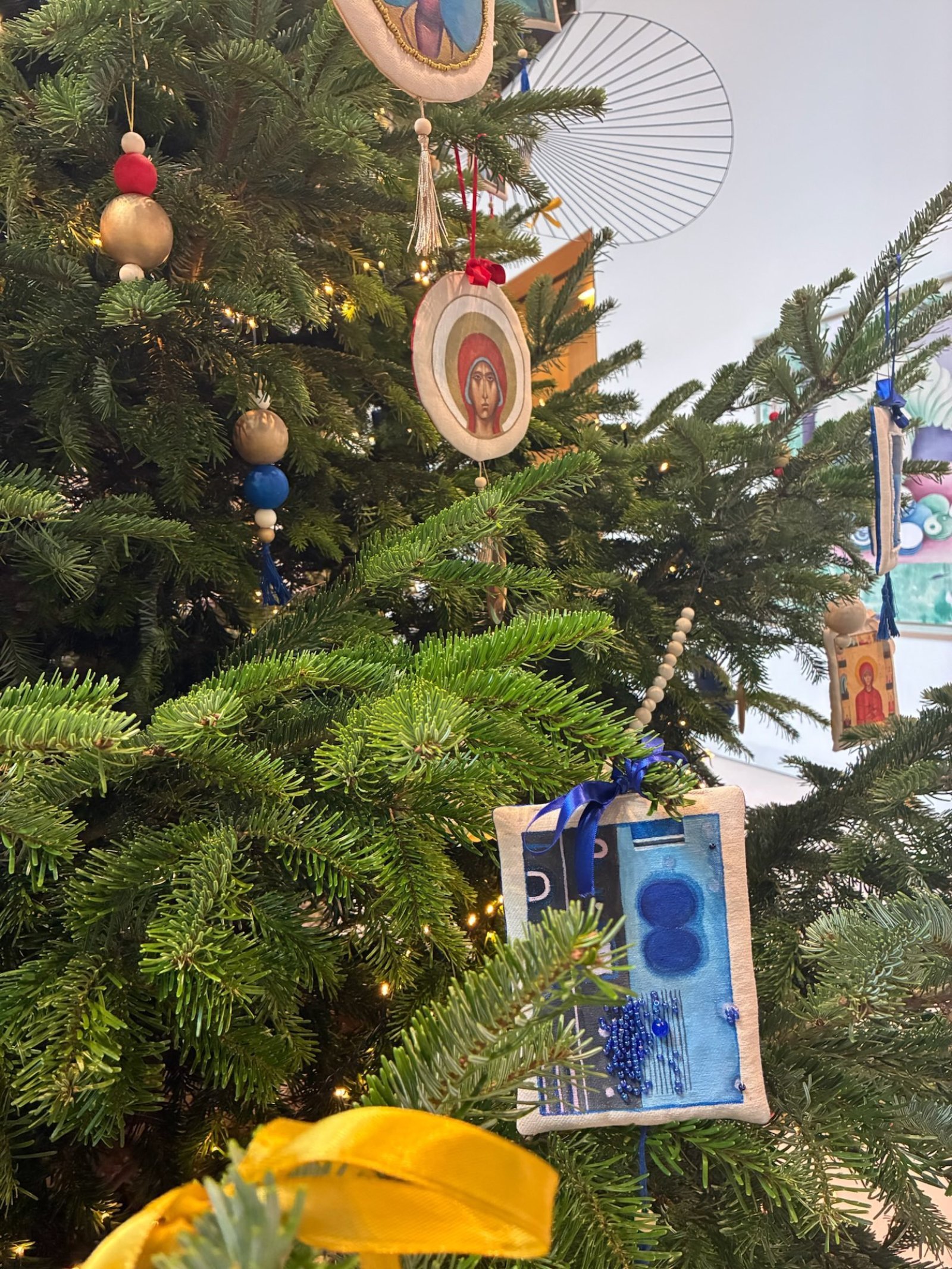
An opening reception by the Christmas tree, decorated with original works by students and teachers from the PLSP in Nałęczów.
The decorations were inspired by Anna and Jerzy Starak’s collection of contemporary art.
This is the first exhibition of its kind, where we’re showcasing work from the full five-year program at our studio, created by our wonderfully talented students and outstanding graduates - says Katarzyna Cebulak, the exhibition’s curator and a teacher specializing in fabric toy design at the PLSP in Nałęczów.
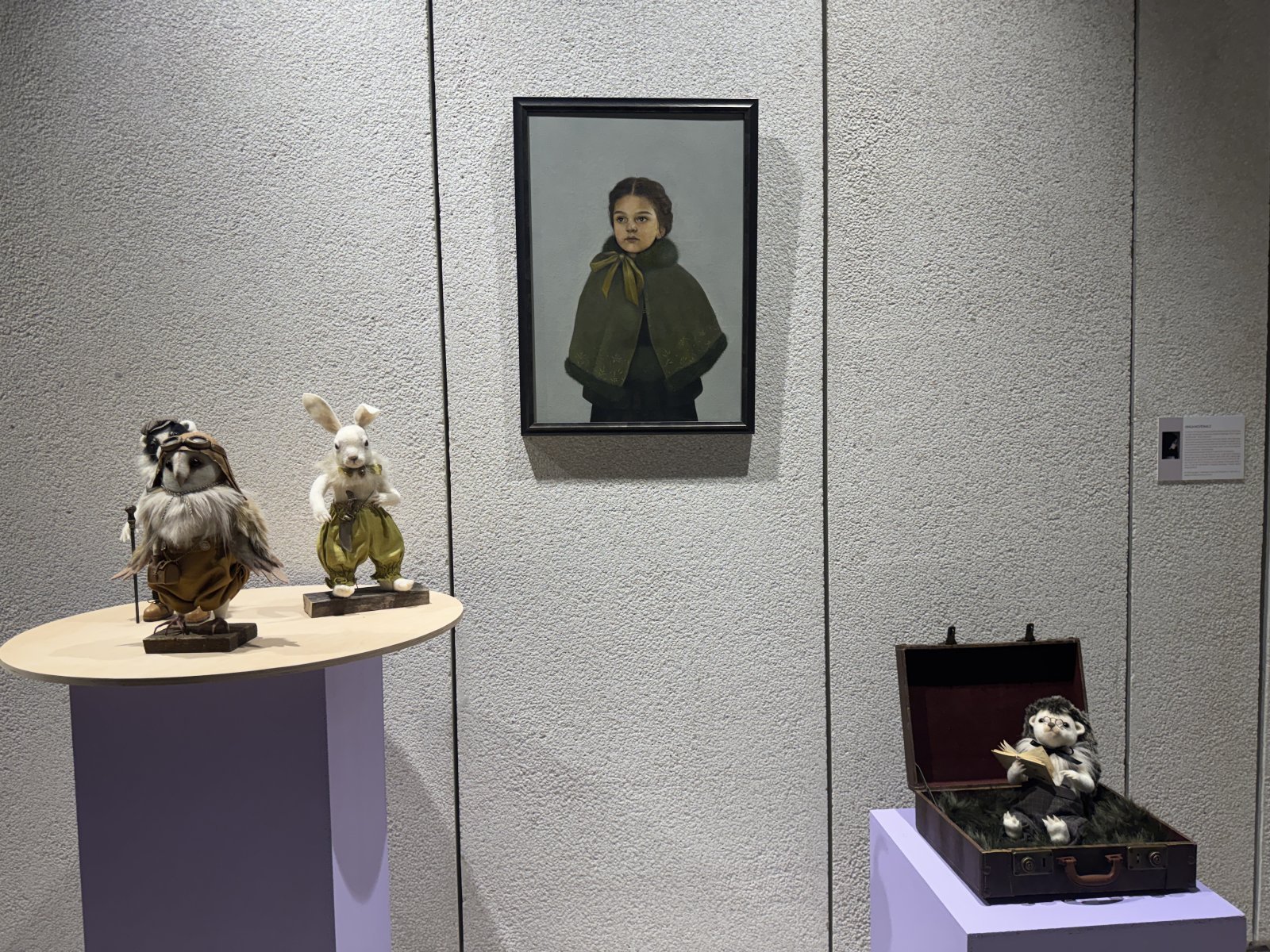
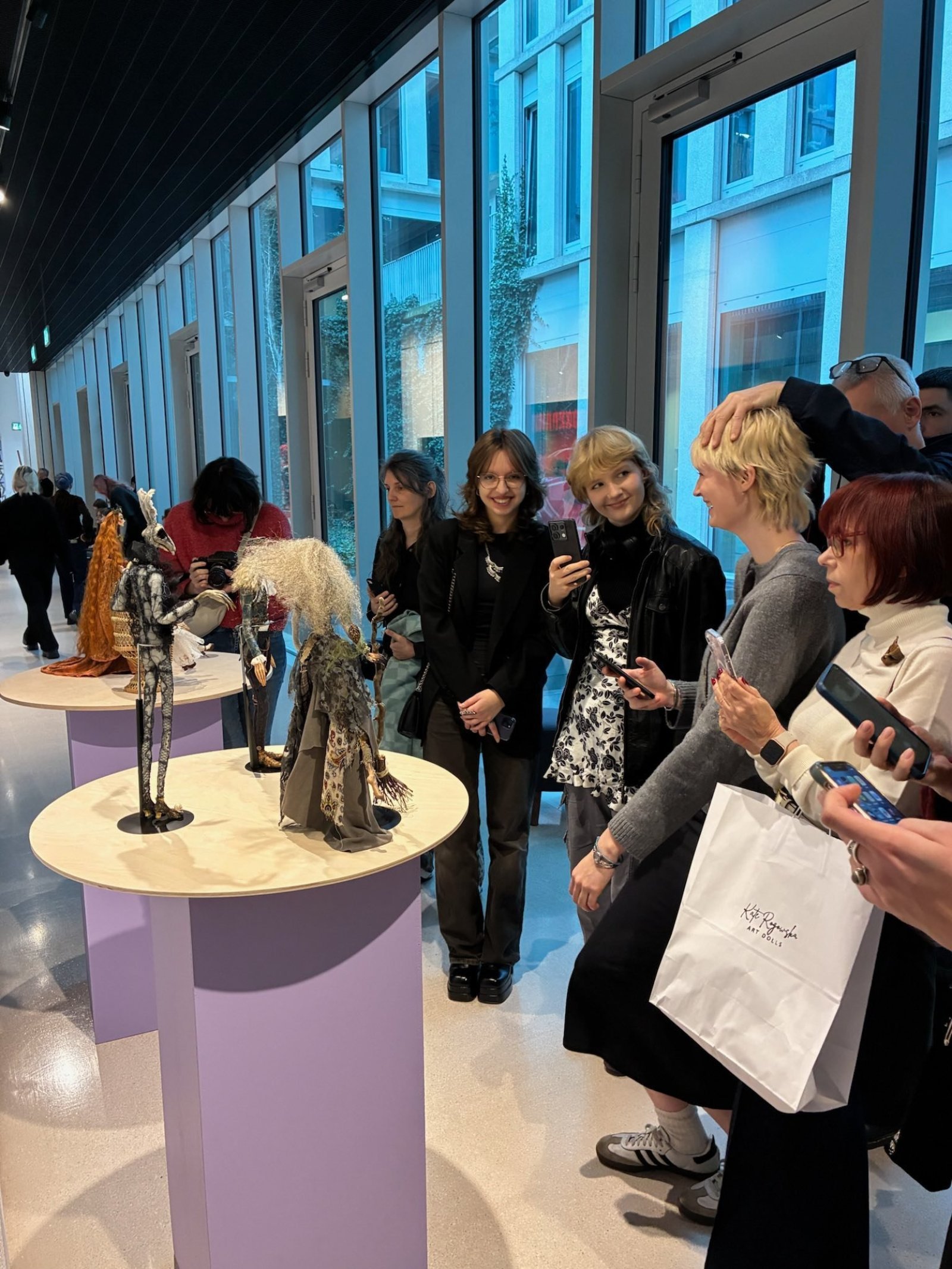
Works by Kinga Wójtowicz, an artist, graduate, and current teacher at the PLSP in Nałęczów
At the Nałęczów School of Fine Arts, one of the two specializations taught within the applied design program is toy design. This field has a long-standing tradition dating back to the early 20th century. It originated at the School of Artistic Crafts, whose mission was to educate young people from rural communities in sculpture, carpentry, basketry, and toy-making. These programs continue at the high school to this day, in a modified, contemporary form that both draws upon and builds on the craft traditions of Nałęczów.
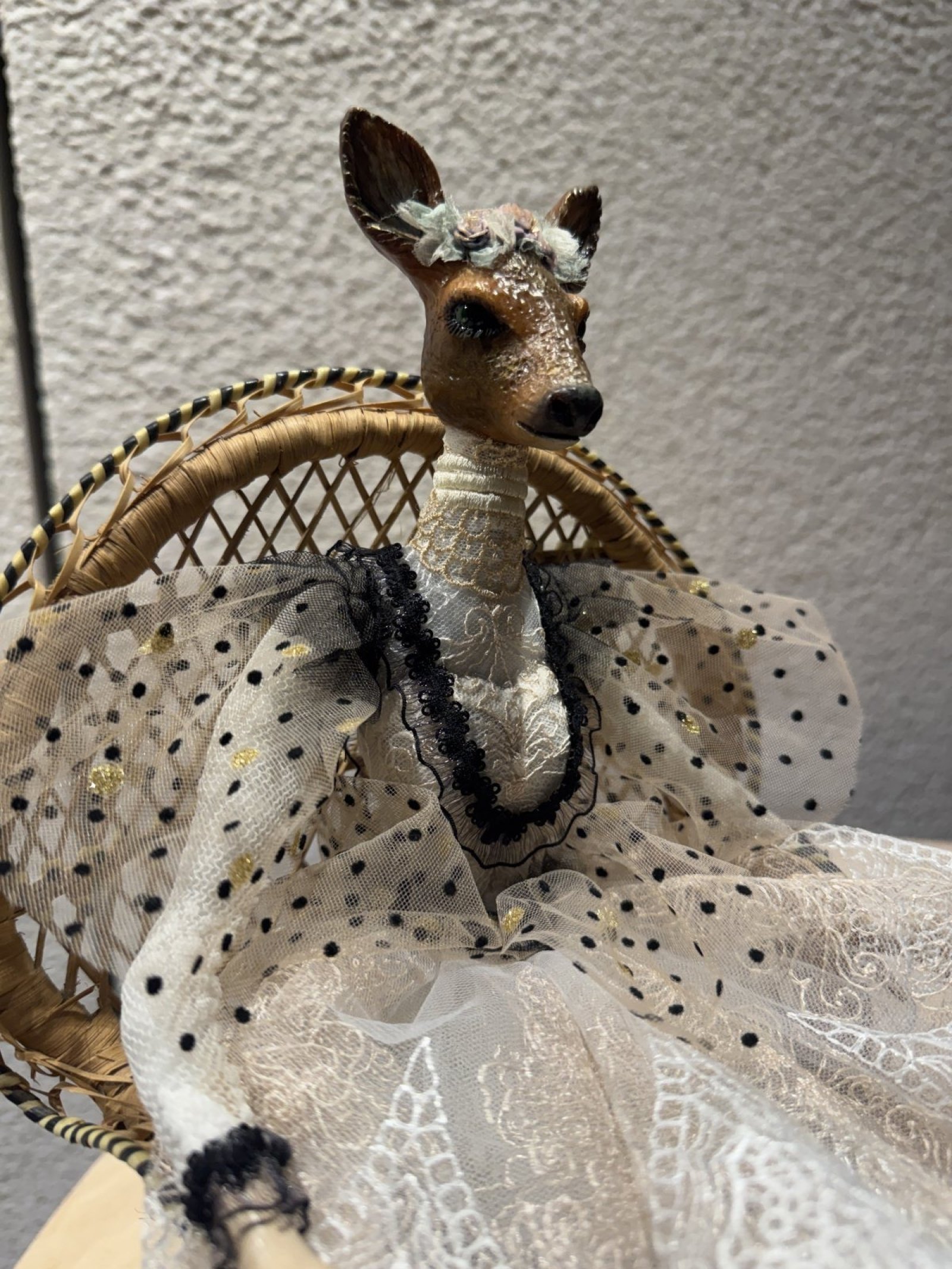
A collector's doll by Kate Rogowska, an artist and graduate of the State School of Fine Arts in Nałęczów
The Toy Design Department is divided into wooden toys (hard toys) and fabric toys (soft toys).
And although there are times when wood and fabric are combined and used simultaneously, on a day-to-day basis they are completely separate, distinct entities governed by different rules, ranging from the design process to the use of various technologies, machines, and final production techniques — says Małgorzata Oboz, a teacher specializing in fabric toy design at the PLSP in Nałęczów.
Students in the soft toys department, through creative activities and practical exercises, gain knowledge of the history of toy making, ergonomics, child psychology, and contemporary trends in design and materials science. They apply this knowledge during the design process.
Over the years, there have been many changes in how toys are developed. Fashions have shifted, and technological innovations have been introduced; for example, wood shavings, used as toy stuffing, were replaced first by cotton batting and then by synthetic batting. New types of fabrics also emerged, such as fleece, lycra, and synthetic felt, which influenced the form of the toy.
Despite the passage of time, technological changes, and advances in craftsmanship, Nałęczów toys have retained their unique design - emphasizes Małgorzata Oboz, a teacher specializing in fabric toy design at the PLSP in Nałęczów.
FIRST GRADE
In the first grade, it is very important to become familiar with the material, its structure, possibilities, limitations, and techniques. The students learn about the tools and techniques for making fabric toys. Sometimes, students have never even held a needle and thread before. In class, they learn basic stitches and how to operate sewing machines. They become familiar with the materials from which, in later stages of their artistic education, they will handcraft the toys they have designed themselves.
GRADE 2
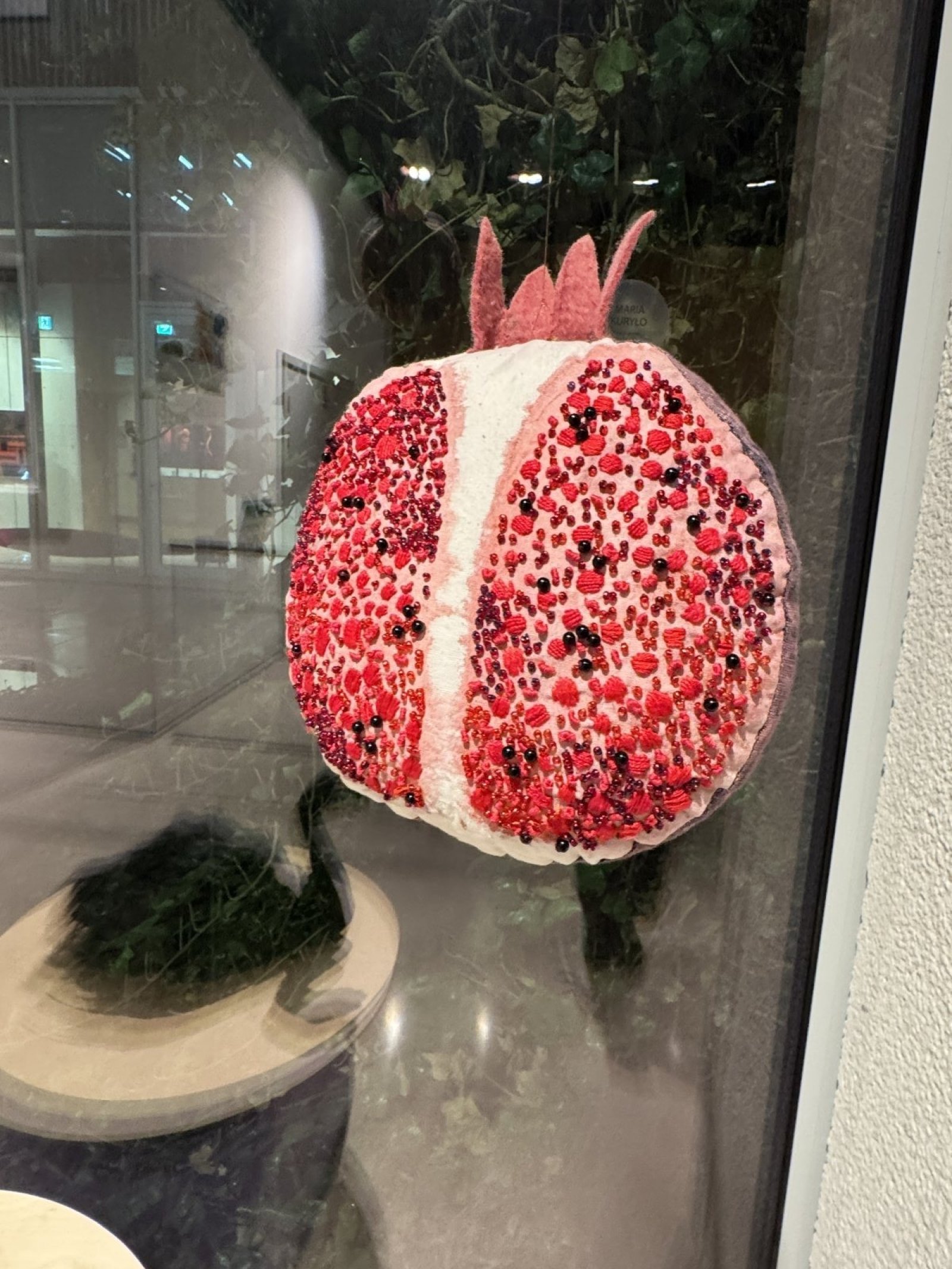
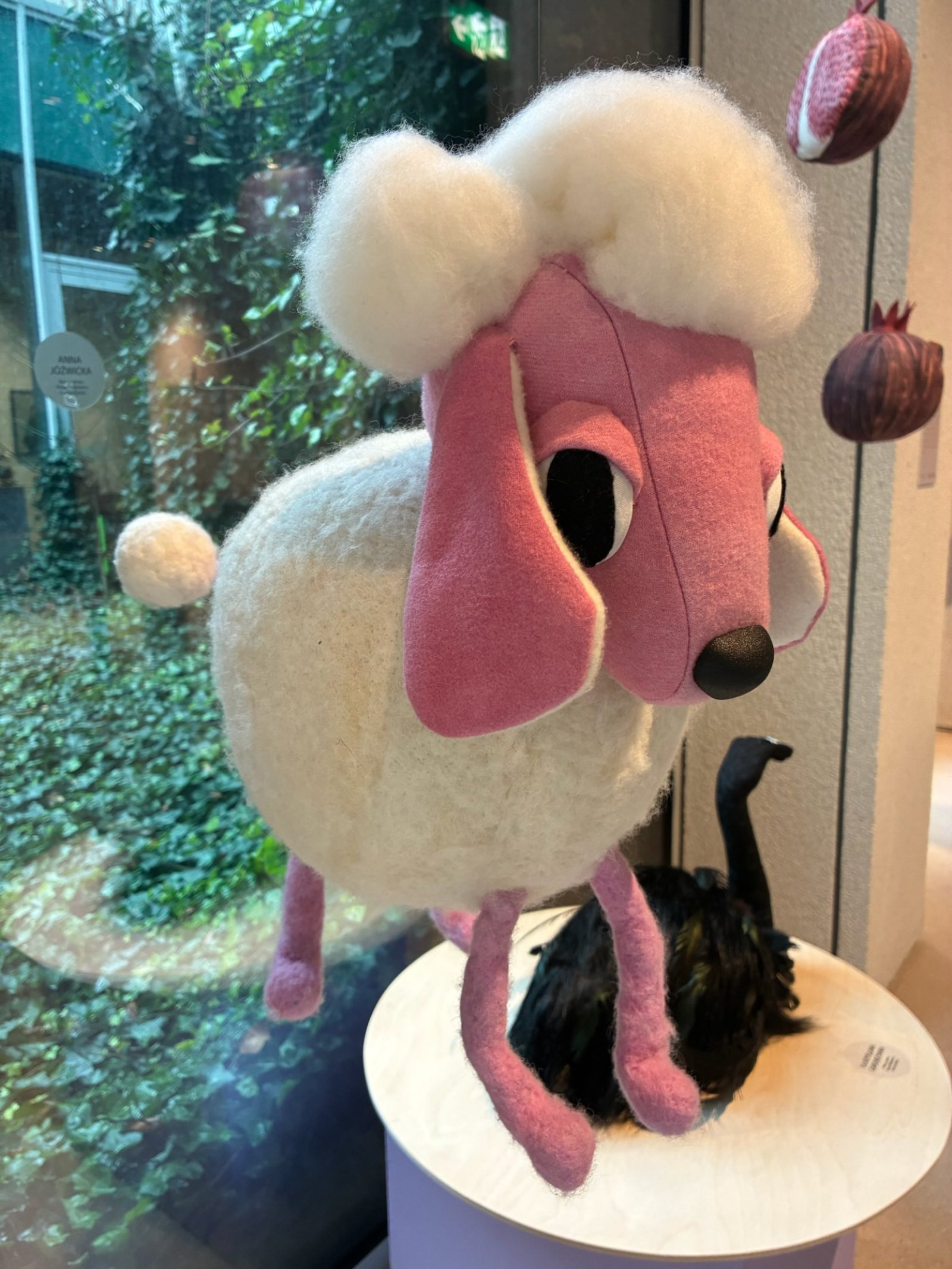
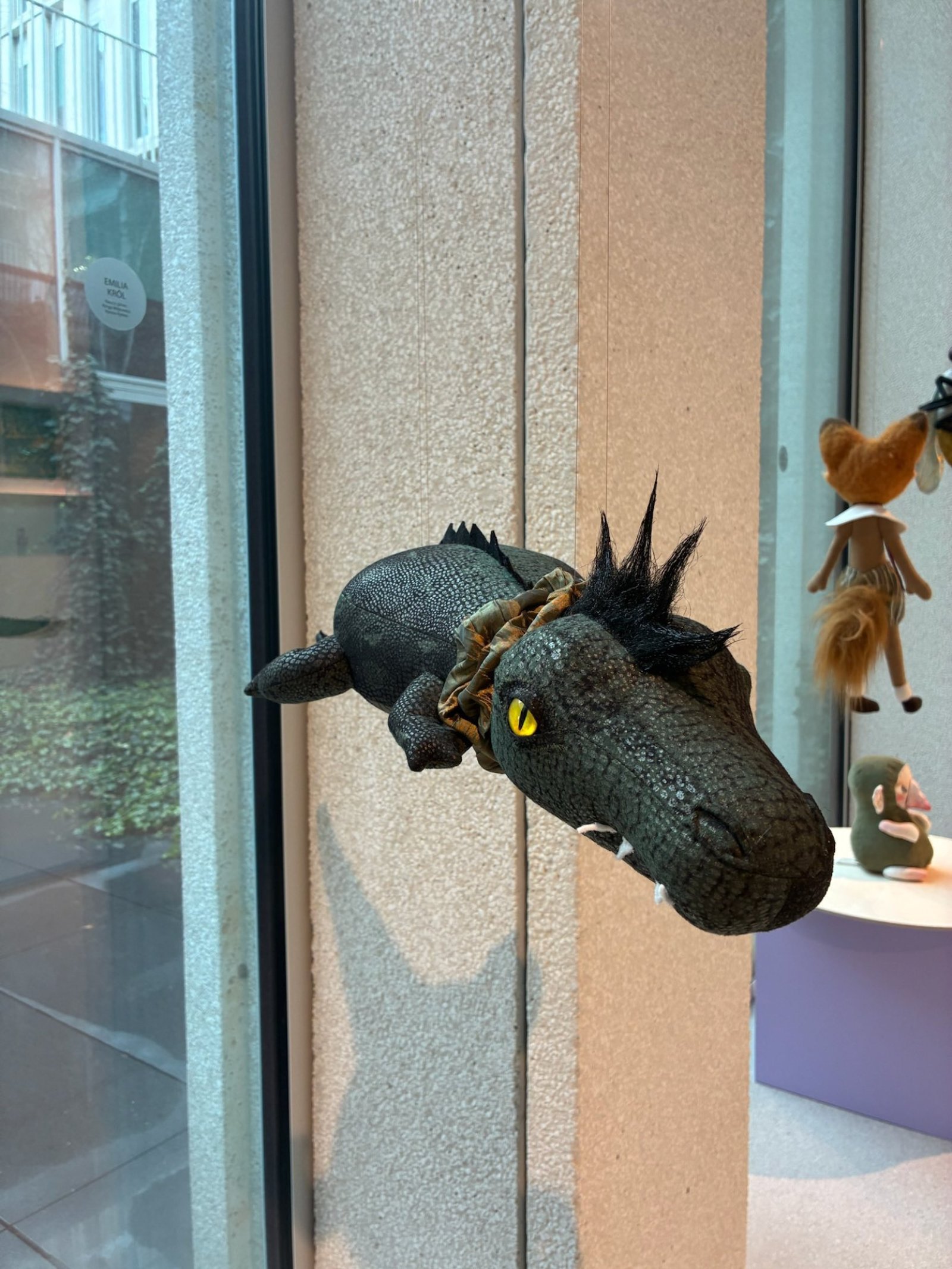
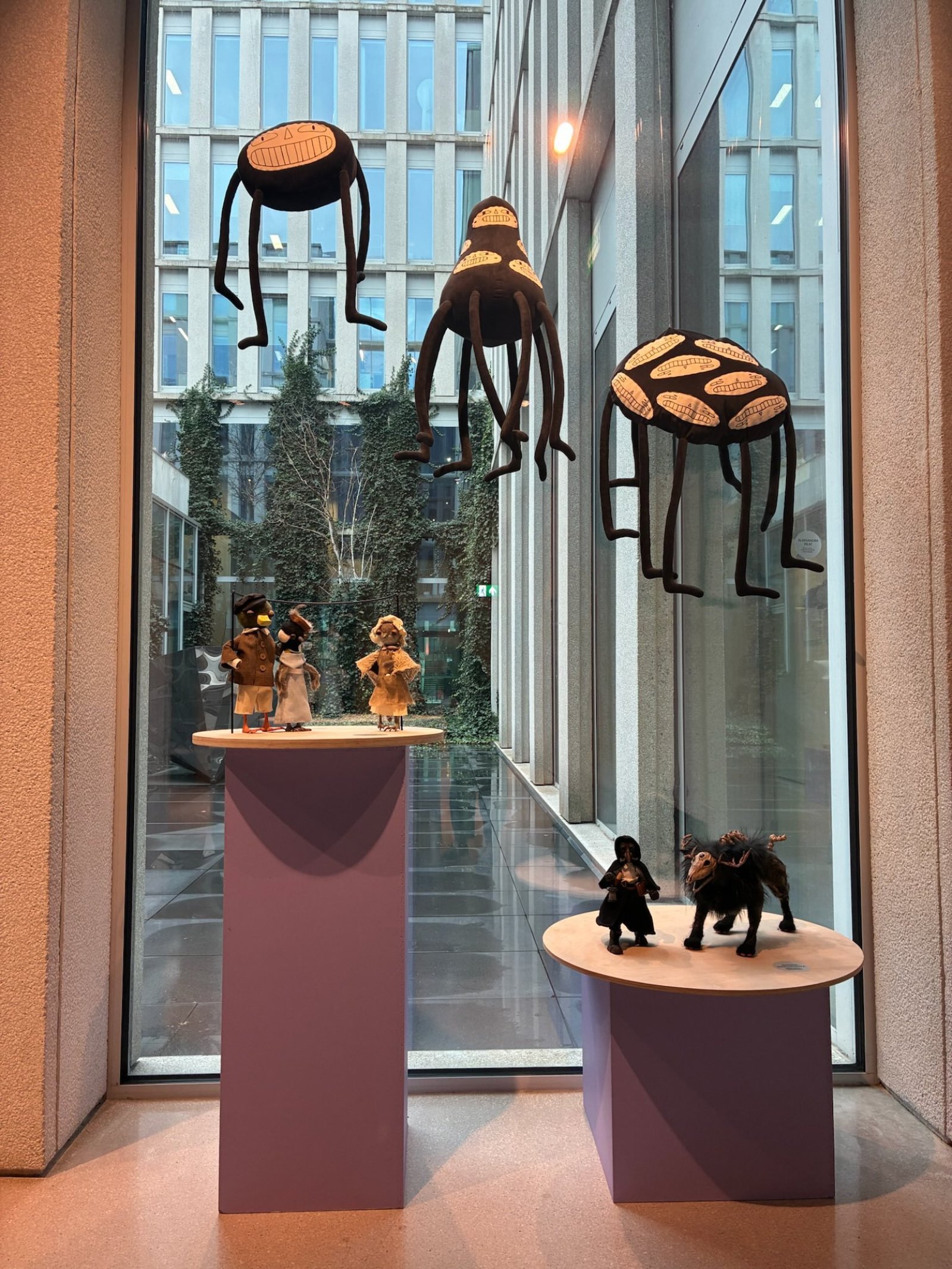
Students design so-called “hovercrafts” inspired by the world of flora and fauna, as well as everyday life. They learn to observe nature and their surroundings and to translate their impressions into visual art. They learn the basics of sewing techniques and how to apply stitches in practice.
GRADE 3
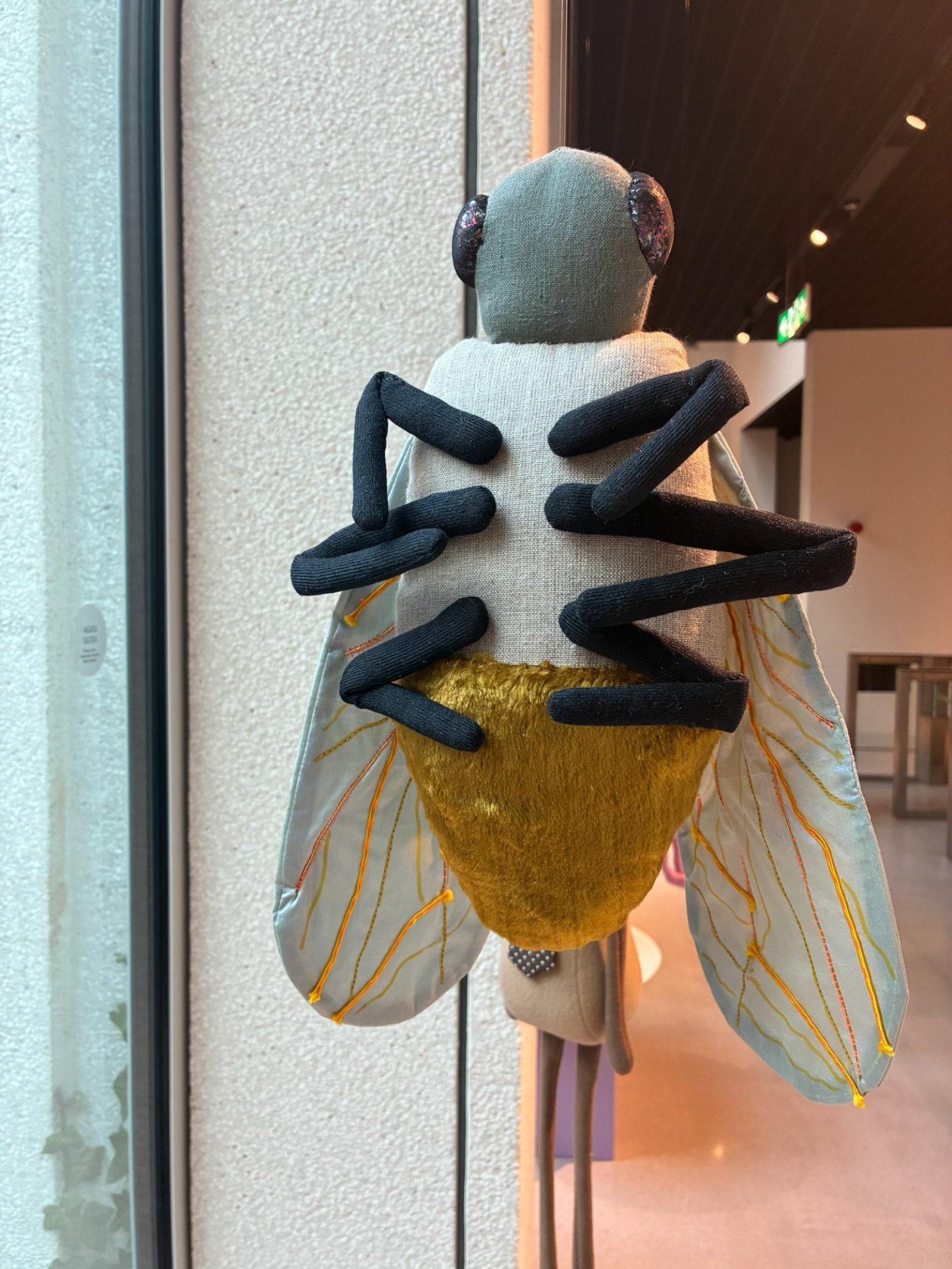
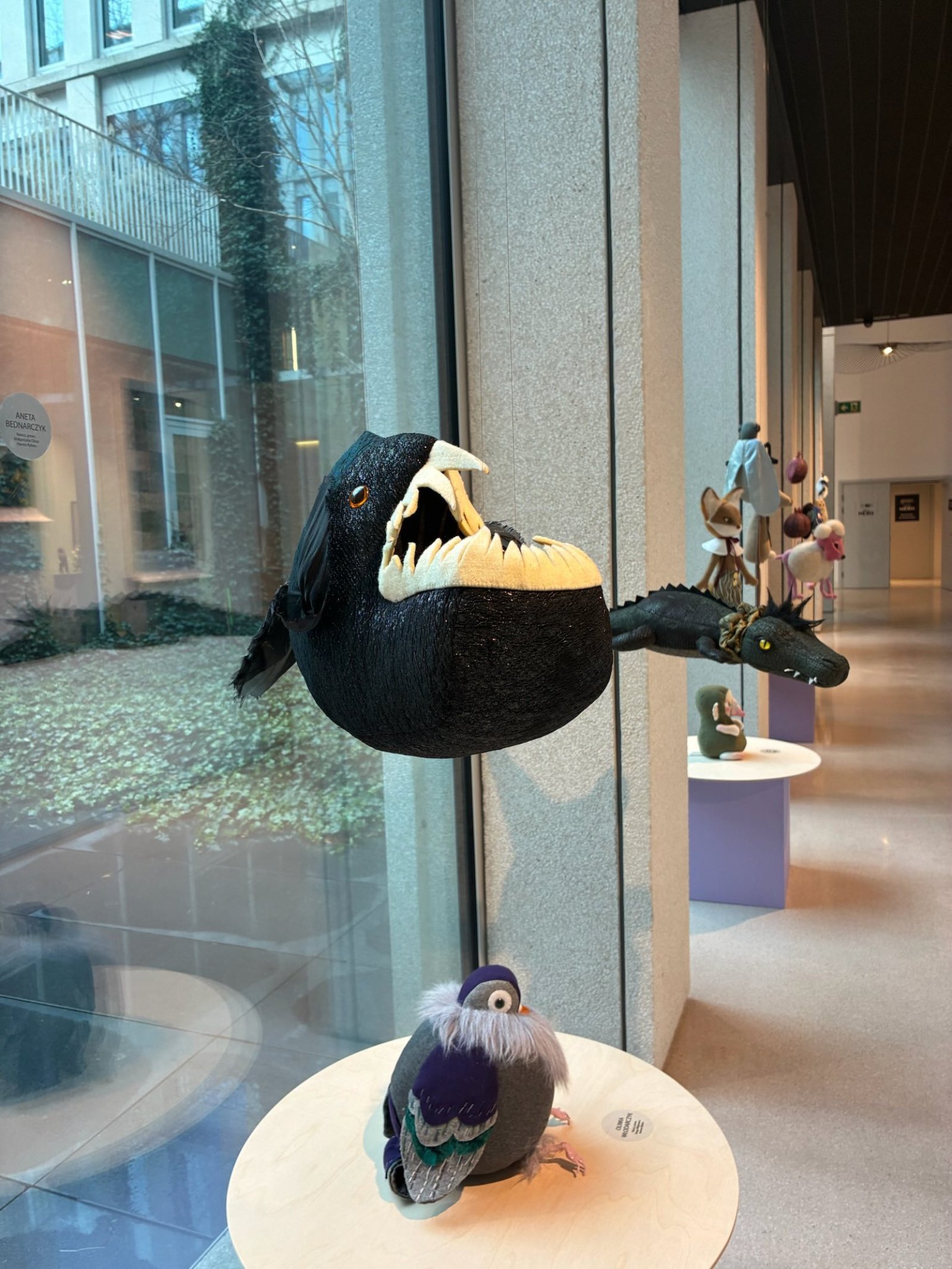
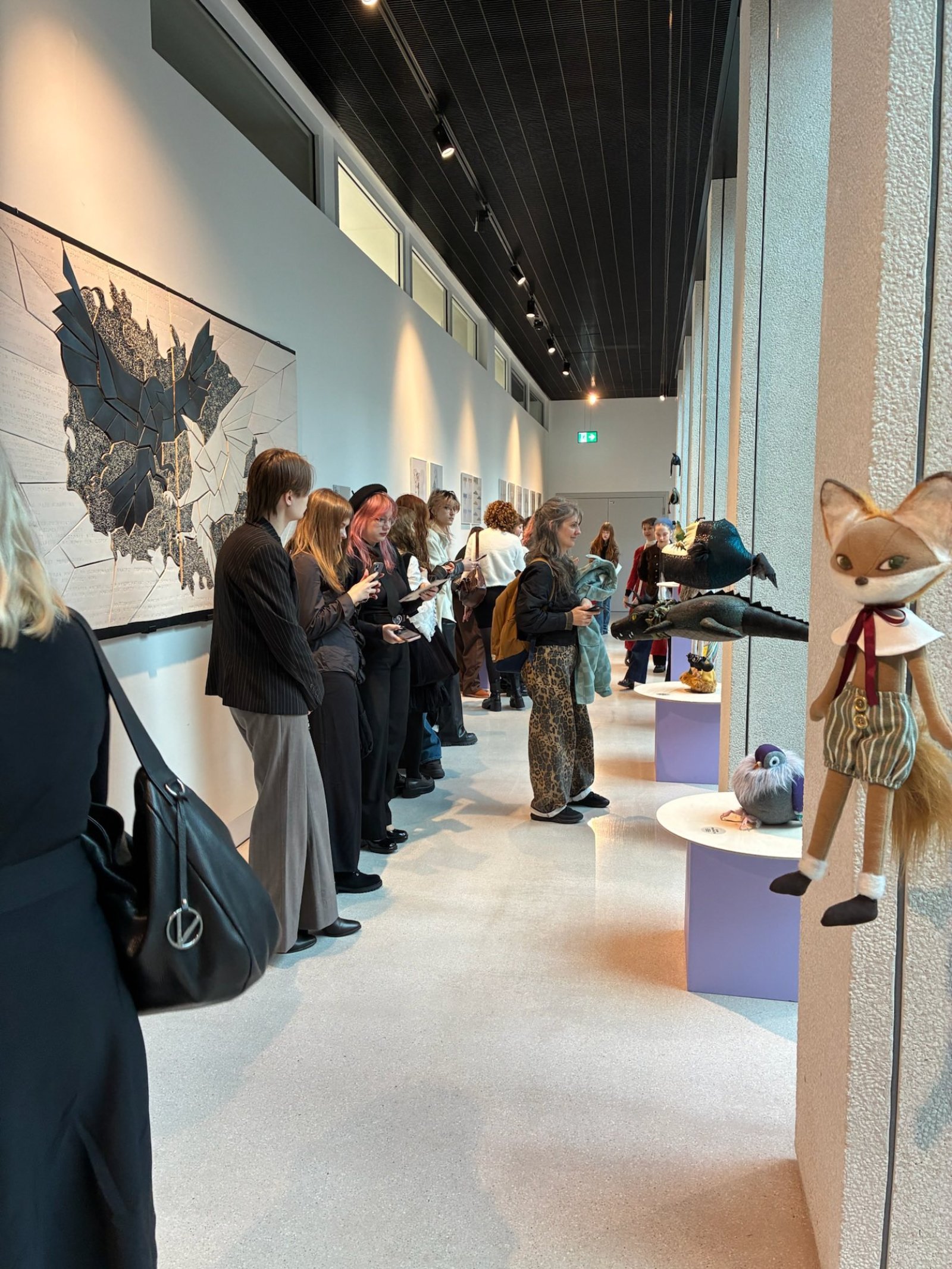
Grade 3 brings greater challenges. The process of creating three-dimensional toys begins. Students develop their ability to visualize flat forms in three dimensions, progressing through successive stages—from flat sketches to three-dimensional models and three-dimensional forms made of fabric. The sources of inspiration remain the same.
KLASA 4
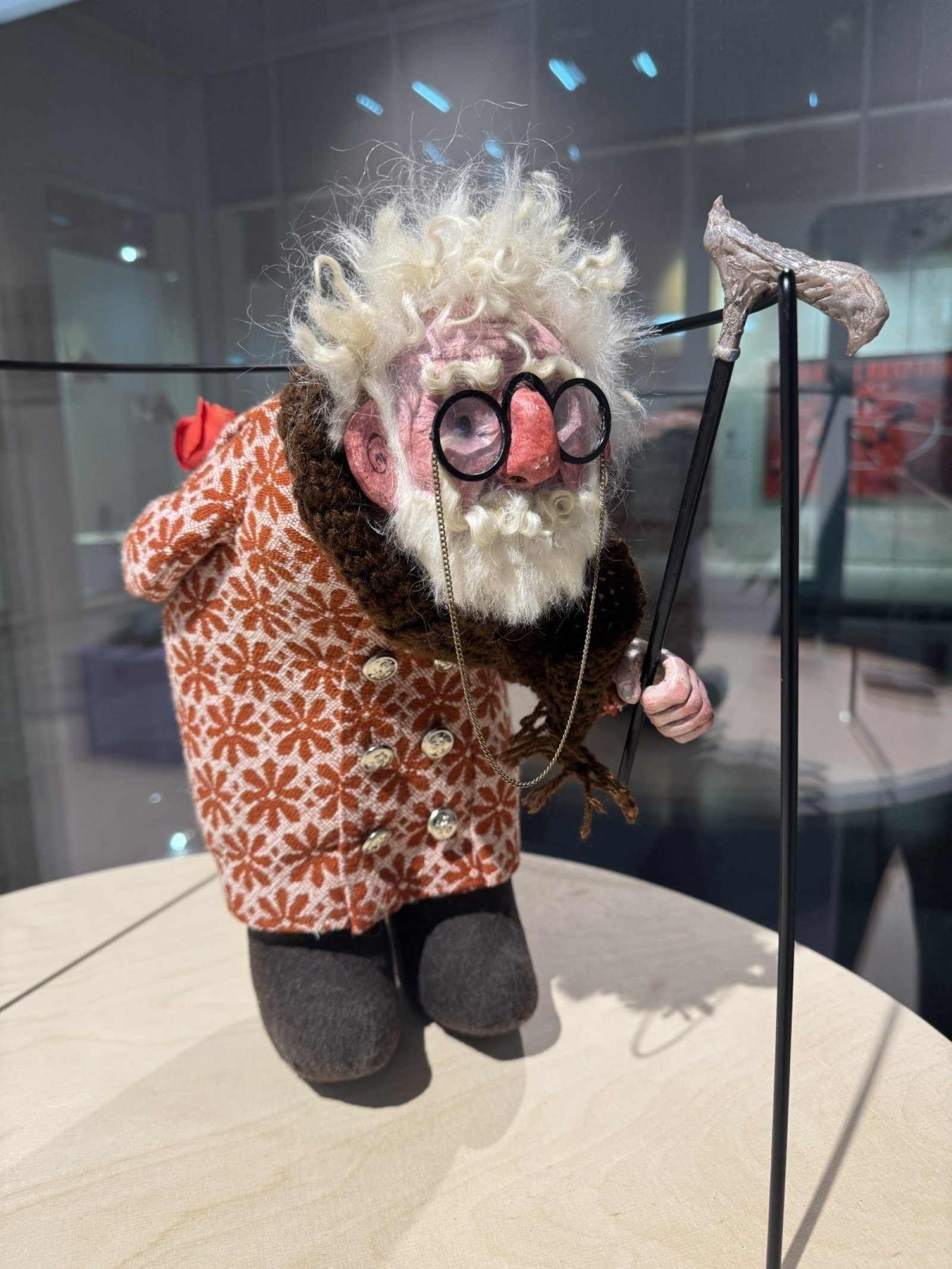
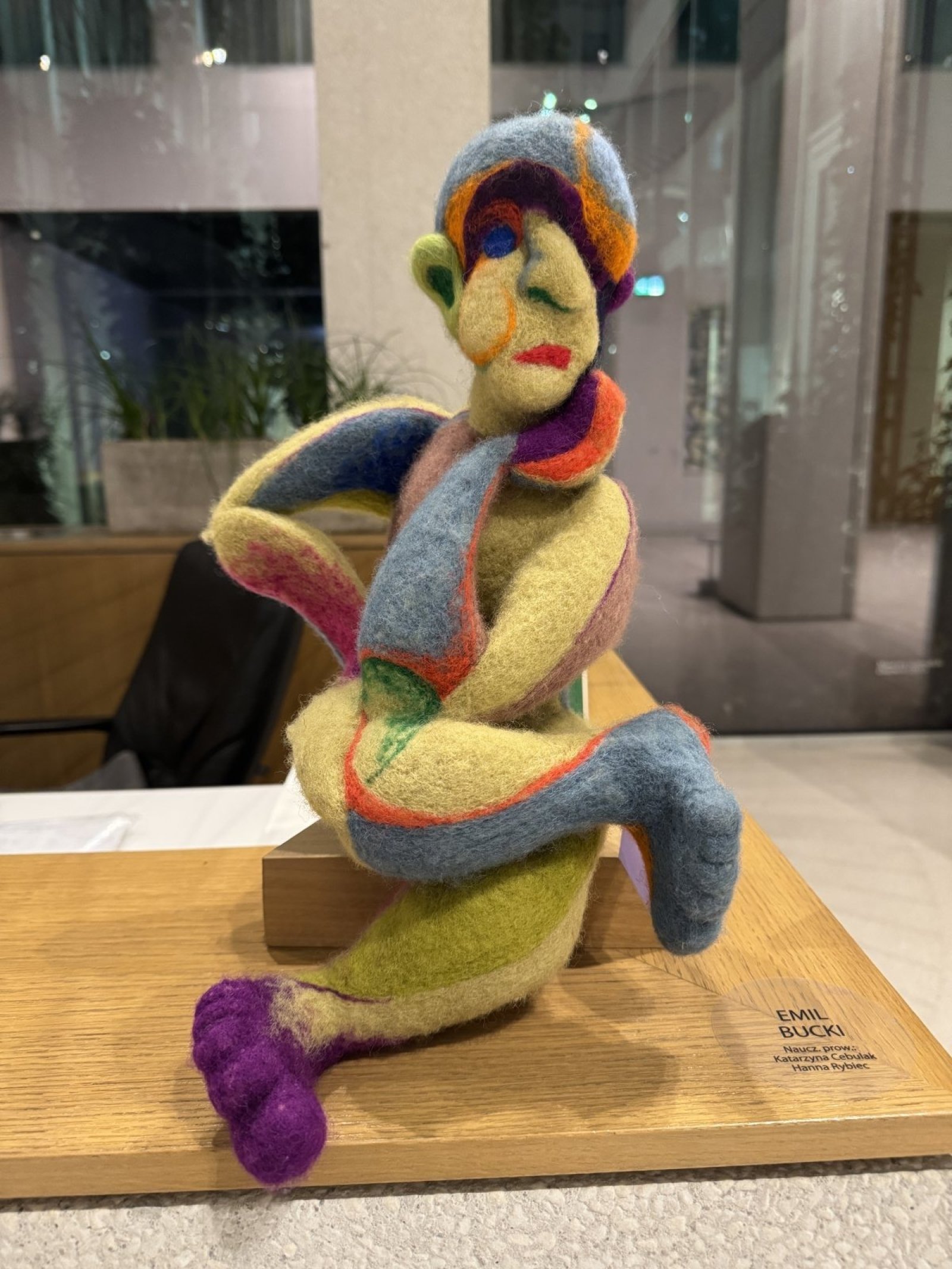
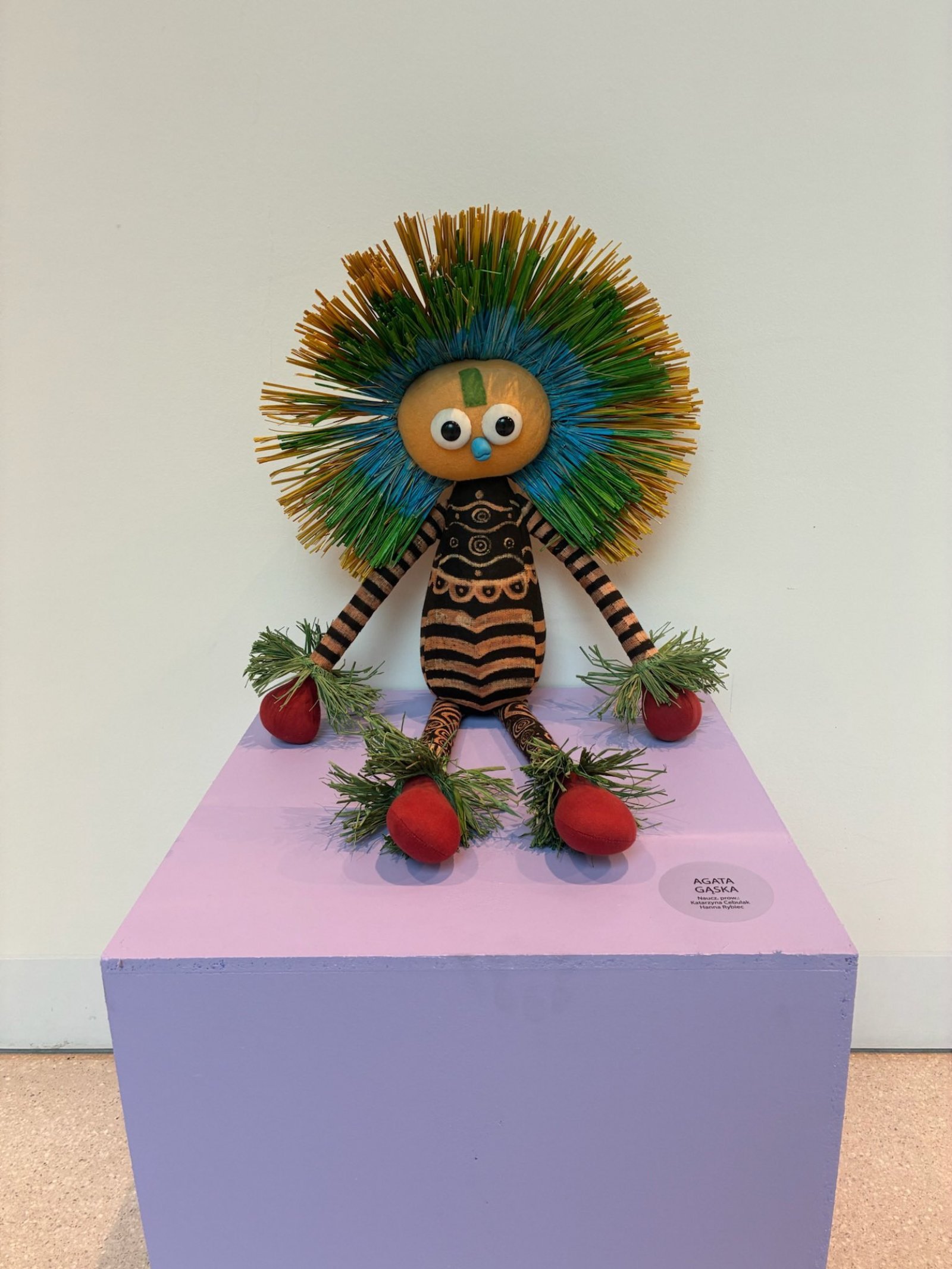
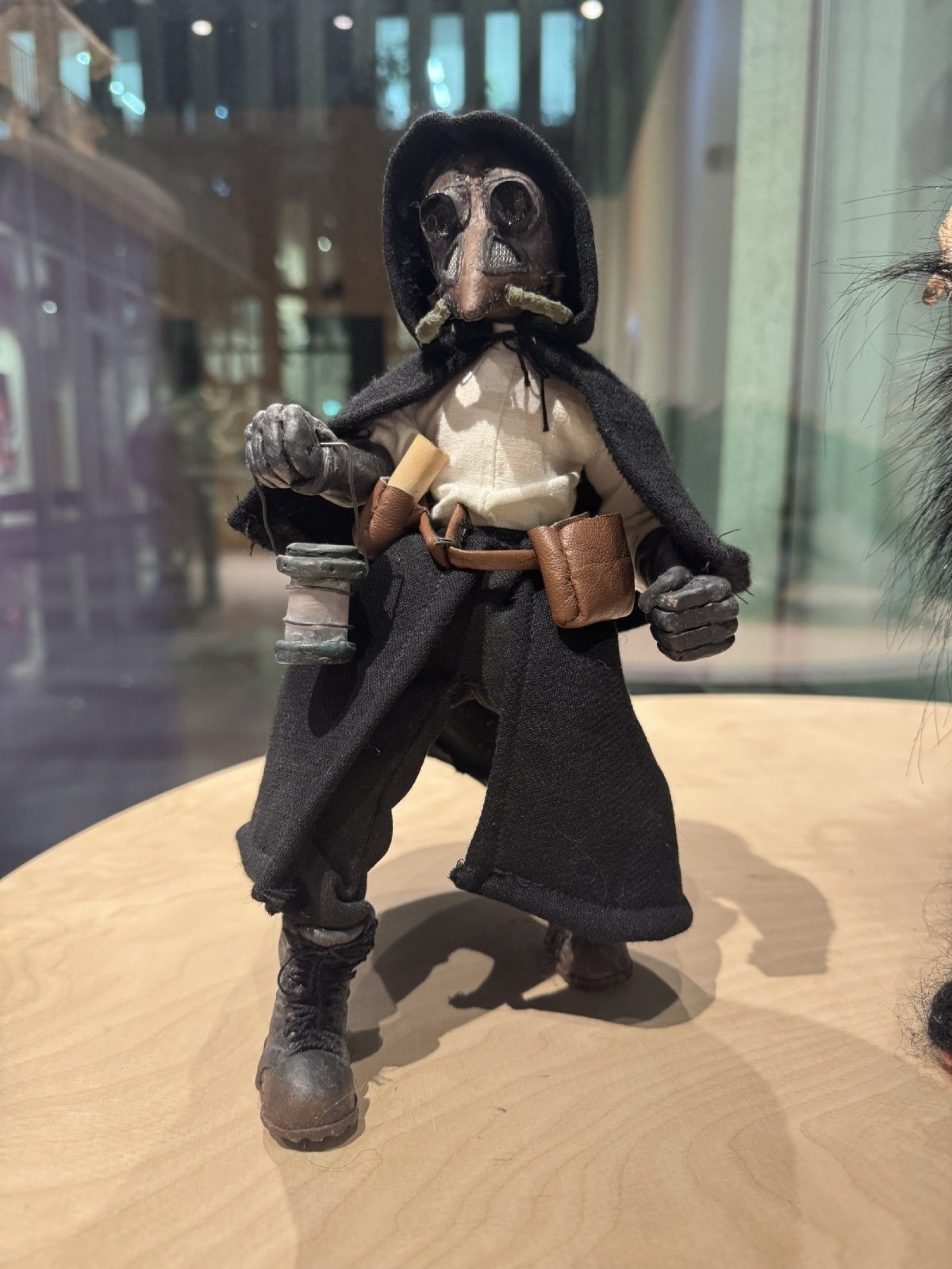
To lalka! Najbardziej wyczekiwana przez uczniów realizacja. Przy ich tworzeniu młodzież sięga po zróżnicowane techniki i materiały: modelinę, papier mâché, technikę filcowania, druk 3D. Powstają lalki z mechanizmami poruszającymi nogi i ręce. Prace inspirowane są naturą, sztuką, a także popkulturą, zasilane własną wrażliwością. Coraz częściej do głosu dochodzi świat cyfrowy – powstają stwory z gier i fantasy. Nie brakuje też tradycyjnych szmiacianek czy całkowicie abstrakcyjnych, odrealnionych wytworów wyobraźni.
CLASS 5
Diplomas! After four years of hard work on fabric and wooden toys, the students decide where they will create their final projects, which are intended to showcase their craftsmanship and creativity. The fabric toy workshop is the most popular choice among students. Among the numerous projects, we find abstract forms, felted futuristic figures, design projects, unique, exquisitely crafted collectible dolls, sensory toys, rag dolls, textile sculptures, as well as animated films.
These projects go far beyond the school curriculum and often surprise us with the students’ maturity and dedication - notes Katarzyna Cebulak.
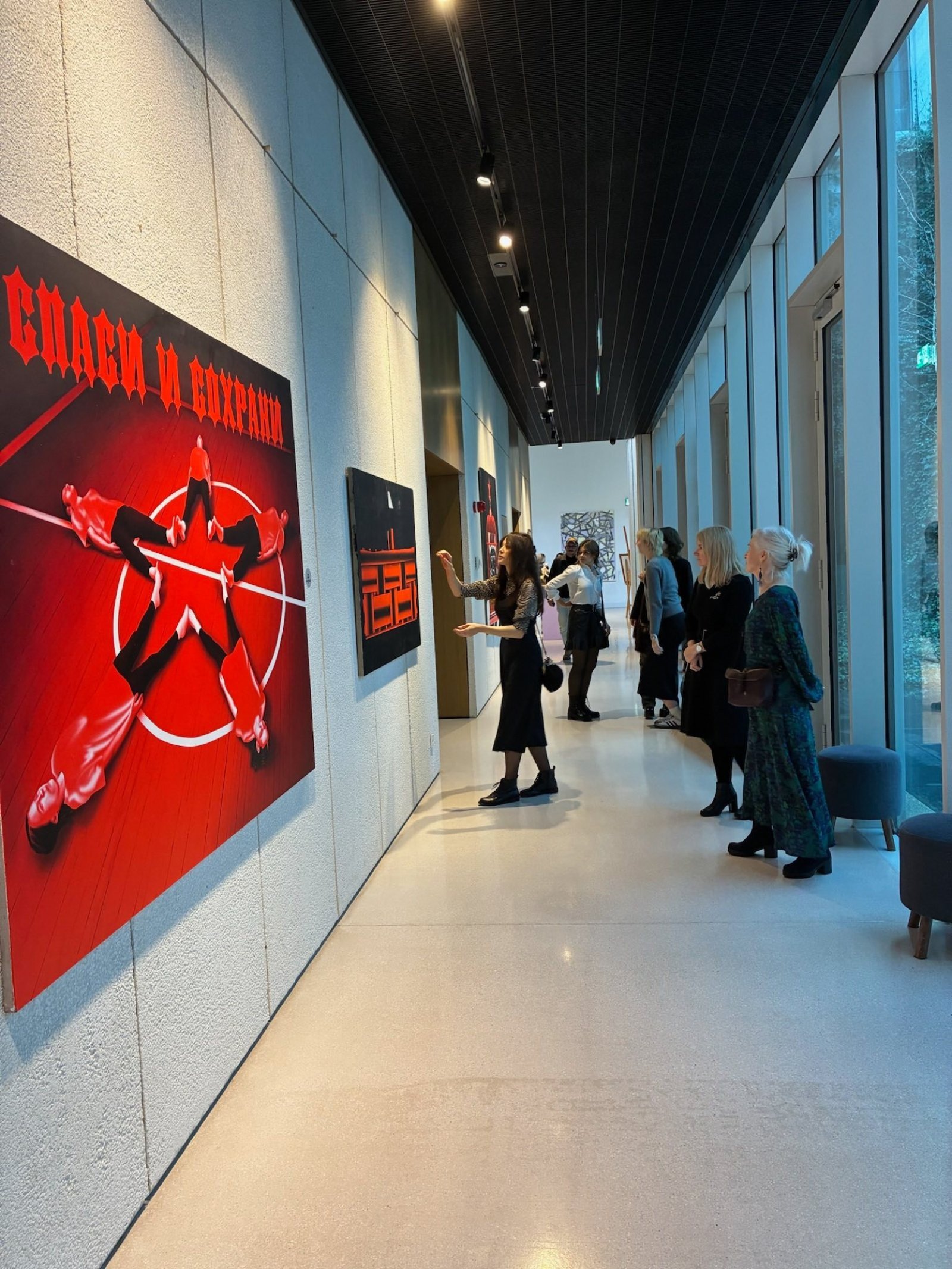
The soft toys have been paired with paintings by Emil Bucki, an artist and graduate of the State School of Fine Arts in Nałęczów
THE ROLE OF THE TEACHER
In the early years, the teacher serves as a guide and instructor, teaching simple stitches, well-tied knots, properly sewn mock-ups, and well-thought-out designs.
Over time, we give students more and more creative freedom, while continuing to ensure the technical accuracy and careful execution of the works created in the studio. Sometimes we disagree, we argue, and we seek compromise solutions. We give them the opportunity to decide how to solve a problem, because that is precisely what stimulates their own ingenuity and spontaneous creativity. Working with students is a unique experience, sometimes surprising, sometimes difficult. We always watch with great curiosity as works take shape under our guidance and as people mature into the roles of creators, artists, and innovators - says Katarzyna Cebulak.


